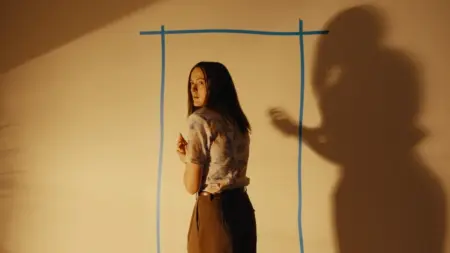


Movies about working actors tend to walk a thin line between compelling and self-aggrandizing. As exciting as it is to enter the minds of the characters and get a peek into what makes a great role, the meta layers can’t help but stack up: actors playing actors playing roles.
Co-writer and director Hikari (37 Seconds, Netflix’s Beef) acknowledges this snag of the genre and drapes her second feature film, Rental Family (2025), around it. The Japanese actress-turned-filmmaker asks a question that is baked into the art of performance: when does acting become lying? Interestingly, Rental Family sets out to separate the art of acting — and the audience’s role as spectators — from that of filmmaking. More than it is about pieces of art, Hikari’s movie is about experiencing them. If a performance can make you strive to better yourself, does it even matter if it’s fiction?
Human Connection For Sale!
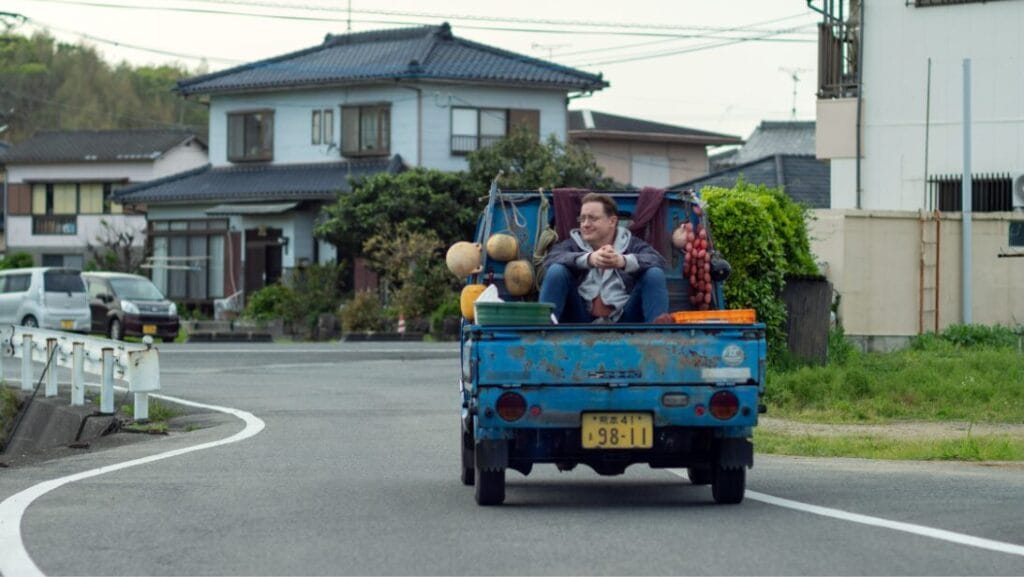
Rental Family centers around Phillip Vandarploeug (Oscar-winner Brendan Fraser), an American actor who has been living and working in Tokyo, Japan, for years. When he gets a call about being cast in the role of a “sad American,” he’s introduced to the titular Rental Family service — a company that specializes in hiring actors to simulate real-life experiences for clients in need. These stand-in roles, so to speak, can range anywhere from weddings to funerals. The contrast of the very real emotions inspired by these technically artificial events serves many of the film’s strongest moments, both comedically and dramatically.
Courtesy of James Lisle/Searchlight Pictures
Phillip isn’t a stranger to comforting fictions himself. The audience’s first moment with him in private finds him watching his neighbor’s windows as if they were screens. Though the glass divide is clearly present, Phillip treats the dynamic as two-way, viewing his neighbors as old friends rather than him projecting onto strangers. This brief scene highlights much of what Rental Family is setting out to explore: the difference between privacy and isolation, and how fiction can serve reality. Brendan Fraser (The Whale, The Mummy) excels at conveying a balanced level of charm and vulnerability that effectively highlights Phillip’s loneliness.
Brendan Fraser’s Nuanced Performance Elevates Rental Family
Phillip comes to accept his current poor circumstances as a struggling actor and gives the Rental Family agency a fair shot. Under his new boss Shinju (Takehiro Hira), he quickly begins to wrestle with the ethics of the job, though. During his first formal assignment, he gets extremely overwhelmed and nearly ruins a client’s wedding because it feels “too real.” This conflict between reality and fiction recurs throughout the film’s first half as Phillip familiarizes himself with the responsibilities of this unusual gig.

Courtesy of James Lisle/Searchlight Pictures
Despite these themes being laid out in early scenes, many of the movie’s more interesting moral complications are later smoothed out. While the script, co-written by Hikari and frequent collaborator Stephen Blahut, follows traditional character arcs and plot development, it eventually loses much of what made this unique narrative so compelling in the first place. After a certain point, Rental Family switches gears and is plainly more interested in tying its story up with a neat bow than following through on its fascinating premise.
The Film’s Morals Get Tangled in Formulaic Beats
A movie can be feel-good without feeling outright naive. There’s a decent stretch where Rental Family seems to understand that fact. However, the film ends up getting a little too caught up in its own positivity, straying from what felt like a hopeful but grounded story into something closer to rose-tinted.
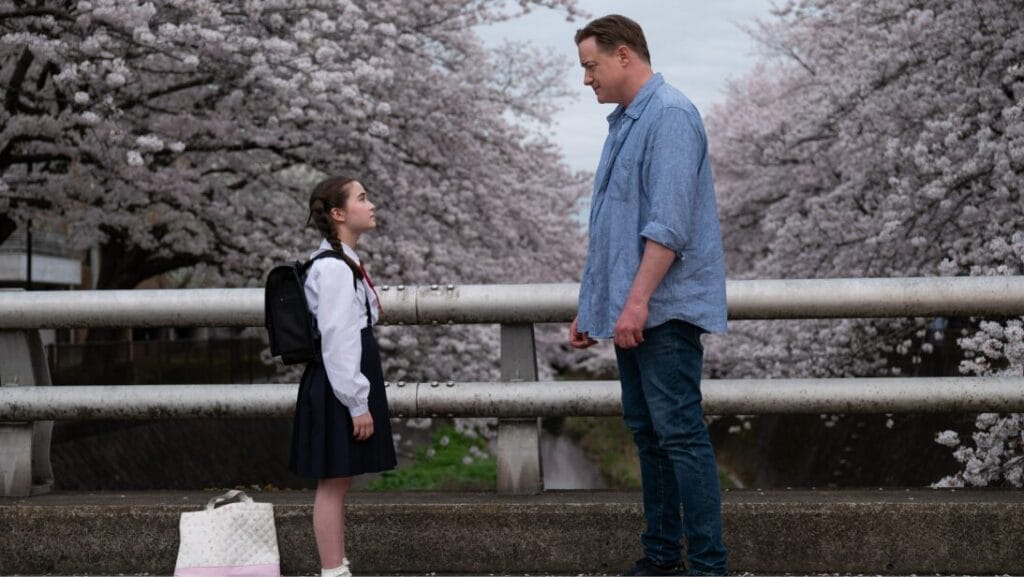
This is mainly seen through Phillip’s involvement in the life of Mia Kawasaki (Shannon Mahina Gorman), a young girl raised by a single mother (Shino Shinozaki) and in need of a father figure. She is told that Phillip is her father, and as the two grow close and form a genuine bond, Phillip’s separation from his role starts to blur. Obviously, this is a situation with no happy ending in sight. While the movie does lead to an acceptably bittersweet wrap-up to this dilemma, it can’t help but swiftly pick itself back up for a typical, feel-good conclusion.
Perhaps, this could have been Rental Family‘s greatest vice. The first act of the movie establishes the rules of engagement for the company. Viewers assume the screenplay is building towards the reality of what it’s like having to leave a character when a story ends, and the necessary emotional separation that must come with creating art as a business. The need for these emotional boundaries is further reinforced when the film makes a literal correlation between what Phillip is doing and sex work. Hikari then, surprisingly, spends the whole third act shattering all of these lines.
Rental Family‘s Strengths Lie in Comedy
This isn’t inherently a fault; Rental Family evidently finds this to be an objectionable view of art and seeks to dismantle it. However, Hikari’s film doesn’t actually seem all that invested in the ethics debate it introduced in its first act. Simply put, the payoff isn’t nearly as interesting as the setup. The third act is almost entirely dedicated to its breezy comedic side, losing a lot of the awkward humor that made everything that came before particularly amusing.
Courtesy of James Lisle/Searchlight Pictures
At its best, Rental Family boasts an incredibly dry sense of humor that absolutely hits, especially as Phillip enters his new job. Even if the supporting cast isn’t quite fleshed out, they are very likable and get their own hilarious comedic beats to shine in. The movie’s slice-of-life visual style also serves its more spiritual and human moments. Yes, Rental Family loses grasp on its themes after a well-paced, engaging start. But that doesn’t stop the film from having its memorable moments, both heartwarming and funny. It just sadly falls short of being something truly great.
Rental Family hits theaters on November 21!
Release Date: November 21, 2025.
Directed by Hikari.
Screenplay by Hikari & Stephen Blahut.
Produced by Hikari, Eddie Vaisman, Julia Lebedev, & Shin Yamaguchi.
Executive Producers: Brendan Fraser, Stephen Blahut, Leonid Lebedev, Oren Moverman, & Jennifer Semler.
Main Cast: Brendan Fraser, Takehiro Hira, Mari Yamamoto, Shannon Mahina Gorman, Akira Emoto, & Shino Shinozaki.
Cinematographer: Takurô Ishizaka.
Composers: Jónsi & Alex Somers.
Editors: Alan Baumgarten & Thomas A. Krueger.
Production Companies: Sight Unseen Productions & Domo Arigato Productions.
Distributor: Searchlight Pictures.
Runtime: 110 minutes.
Rated PG-13.