

Across England’s vastly diverse capital city of London, the homelessness crisis has recently hit an all-time high. Just off the curb of streets flooded with double-decker buses and packs of lime-bikers, it doesn’t take much searching to see that the rising rent prices, housing shortages, insecure job market, and inadequate social resources have driven thousands to rough sleeping for survival. Come nightfall on Tottenham Court Road, mattresses, sleeping bags, and tents line the shop windows of eroding department stores.
England’s homelessness crisis doesn’t stop in the heart of London, though. In his feature directorial debut, Urchin (2025), lauded actor Harris Dickinson — best known for his roles in Babygirl (2024), The Iron Claw (2023), Triangle of Sadness (2022), Beach Rats (2017), and for being cast as John Lennon in Sony’s upcoming Beatles biopics — turns to his lifelong stomping ground of East London. The first project to be released under his new production company, Devisio Pictures, which was co-launched by British producer Archie Pearch, Urchin uses East London as the backdrop for a story about the vicious cycle of social inequality inspired by Dickinson’s work with local homeless charities.
Failed By Your Own City
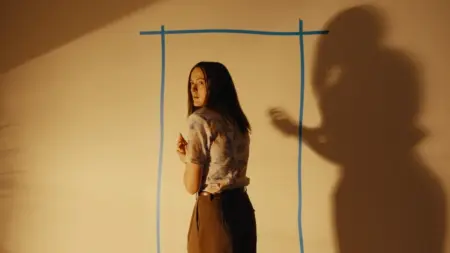
On the bustling streets of London, it’s hard to avoid overwhelming feelings of sonder. Each person you pass has their own complex life story that has brought them to that very moment. In Urchin, we zero in on the life of Mike (Frank Dillane) — not so much on how he found himself in poor circumstances, but how he keeps getting roped back into them. Mike is homeless in one of London’s many tempestuous unhoused communities riddled with drug addiction and alcoholism, spending the majority of his time asking passersby for spare change and finding dry patches of concrete to settle on for the night.
After a seemingly good-willed exchange with a businessman, Mike makes a split-second decision that inadvertently sets him down a new path. Where most movies about addiction and recovery are told in a linear journey, Urchin offers a more abstract look at the brutal cycle that causes Mike, and the countless others whom he represents, to fall in and out of destructive habits. On top of this, Harris Dickinson’s screenplay highlights the coping mechanisms for the cruel reality of what it’s like to have the system fail you.
The Long and Winding Road to Recovery
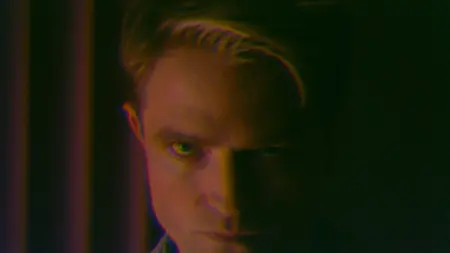
Following a stint in prison, Mike gets clean and finds refuge listening to meditation tapes among the barren mustard walls of a hostel and working as a Commis Chef in a three-star hotel. Along the way, we meet and stray away from a plethora of people who are instrumental in his road to recovery. Mike shields himself from his old dangerous habits, going so far as to flee from a charity shop when Nathan (played by Dickinson), an on-and-off friend from the rough sleeping community, walks in.
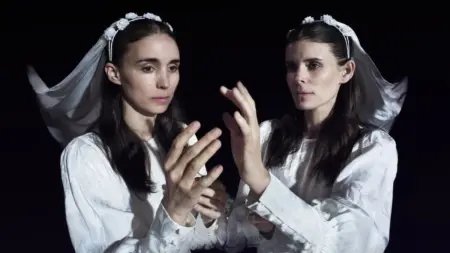
Nathan and Mike are constant foils to each other; when one is in recovery, the other is in relapse. It’s like looking into a warped mirror and seeing a version of yourself that no longer exists. However, this distorted reflection can also be a reminder of what can become of you, for better or for worse.
“Dickinson’s career as a celebrated filmmaker is just getting started.”
For a debut feature, Harris Dickinson displays true craftsmanship and the assurance of a veteran filmmaker. His bravery is felt both on screen and in his script, showing London’s inhabitants in all of their facets: diverse, glorious, tragic, and everything in between. Inspiration from the iconic British social realist filmmakers Ken Loach and Mike Leigh is palpable in this story, yet Urchin remains entirely singular. By expertly balancing dejection with aptly British humour, the movie shines as an enthralling tale of naturalism paired with the exact right amount of enchanting imagery and audio (through its penetrative score) without it ever steering into glorification.
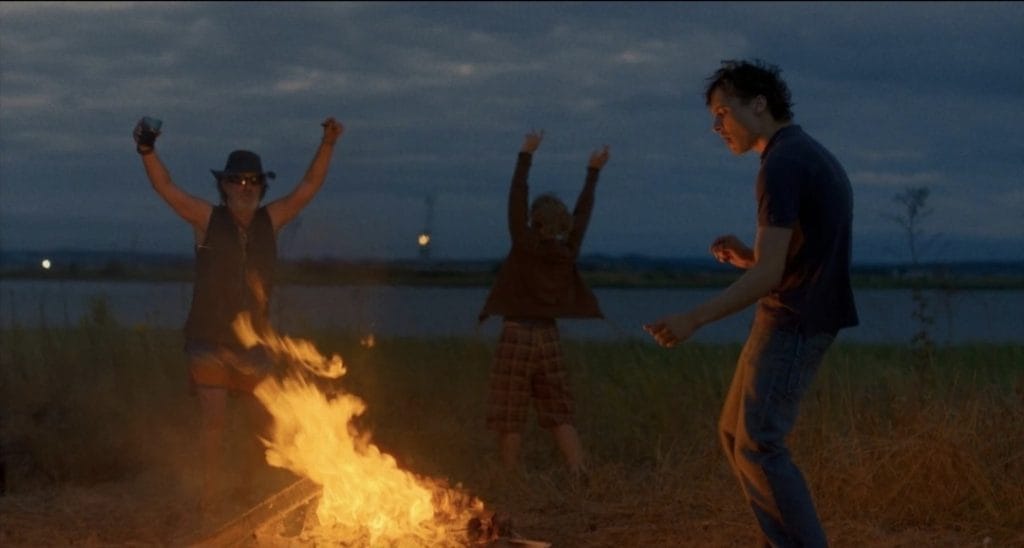
As Mike, Frank Dillane (Fear the Walking Dead) is the North Star of Urchin. Dillane takes the character from the page and realizes him as a human who is capable of far more than how he can be initially perceived. His performance, equally full of woe and elation, soars to climactic heights and evades the common stereotypes that come with addiction narratives. Dillane’s charm is a core pillar of the film, resulting in the viewer’s infatuation and investment in his well-being. This makes it all the more gut-wrenching as Mike’s life begins to spiral once again when the plot pits him against the slippery slope of temptation.
Urchin Doesn’t Provide Easy Answers
With each bump of white powder from a rusty key and each swig of cheap cornershop vodka, it feels as though you are watching a lifelong friend slip away right before your eyes. Led by Frank Dillane’s ornate and stirring performance, Urchin is a powerhouse of a directorial debut made from a true place of empathy. Writer-director Harris Dickinson provokes conversations around the modern social gap while also beguiling his audience, fearlessly portraying the joy and pain of being alive through the lens of Mike’s existence.
Hauntingly, in his first movie, Harris Dickinson does not attempt to offer any easy answers or false promises. Instead, Urchin serves as a reminder to be mindful of how difficult it can be to break the cycle of self-destruction. But one clear message does emerge in its final seconds: Dickinson’s career as a celebrated filmmaker is just getting started.
Harris Dickinson’s Urchin premiered at the 2025 Cannes Film Festival!
Release Date: TBA.
Directed by Harris Dickinson.
Written by Harris Dickinson.
Produced by Harris Dickinson, Archie Pearch, & Scott O’Donnell.
Executive Producers: Ama Ampadu, Alexandra Tynion, Olivia Tyson, & Eva Yates.
Main Cast: Frank Dillane, Megan Northam, Amr Waked, Karyna Khymchuk, Shonagh Marie, & Murat Erkek.
Cinematographer: Josée Deshaies.
Production Companies: BBC Film, BFI, Devisio Pictures, Somesuch, & Tricky Knot.
Distributor: TBA.
Runtime: 99 minutes.