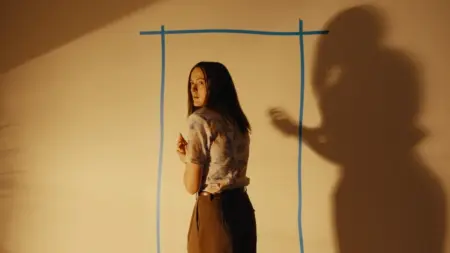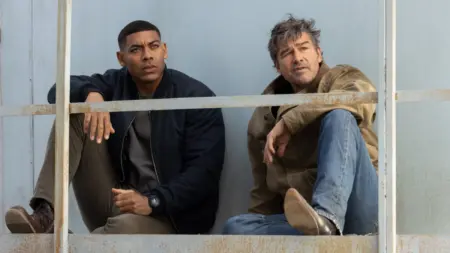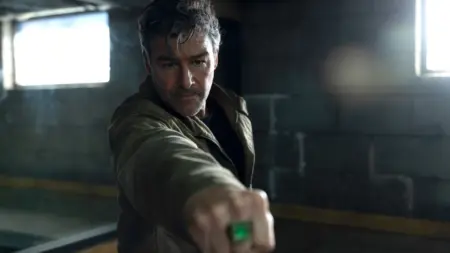


Fans of that “no no no, wait wait wait” gif rejoice, we’ve gotten a sequel. After a triumphant return in Daredevil Born Again and the announcement that he would be making his silver-screen debut in this year’s Spider-Man: Brand New Day, many fans were excited by the prospect ofJon Bernthal’s Punisher getting a solo project to bridge the gap between the two. Instead of expanding his canon, The Punisher: One Last Kill seems focused on dissecting Frank Castle as a character, finding what makes him tick, and finding how far he will go to… well, we’ll get to that.
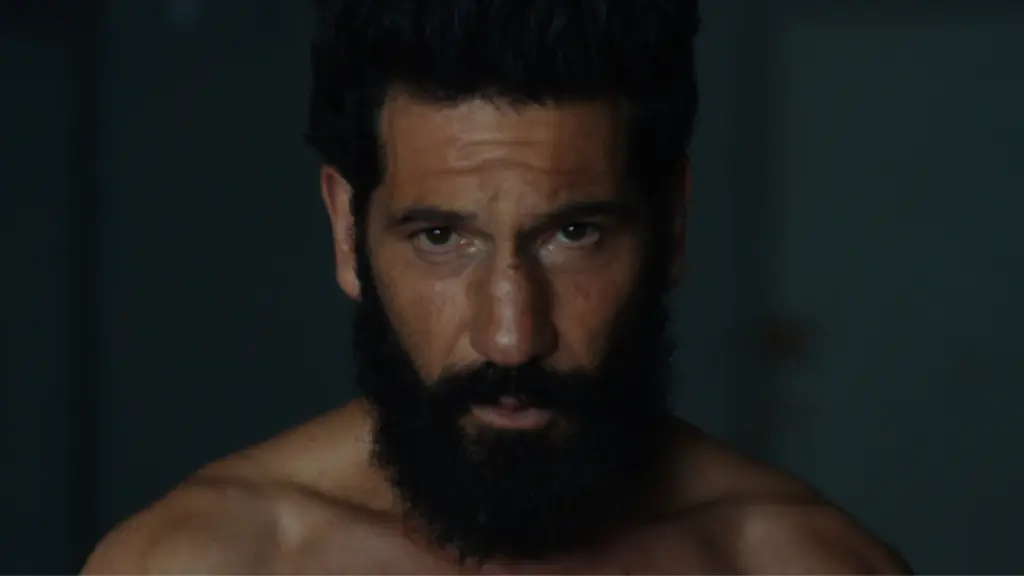
The Frank that audiences had come to know and love is unraveling in this TV special. His demons have caught up to him, and though there’s little incitement besides a brief mention of him hitting a certain career milestone, we’re shown the character at his most emotionally raw state. This is where One Last Kill truly shines. Bernthal’s run as the Punisher has been legendary. His now-iconic mannerisms, paired with the performance’s physicality and internalized (and then quickly externalized) pain, come through more than ever in One Last Kill. It’s arguably Bernthal’s best outing as the character since his MCU debut.
Inside the Mind of The Punisher
This Frank is kind of fascinating to watch: everything that might have been presented as softening character development in previous appearances is either completely undercut or re-established entirely as justifications for his killings. This feels like a bridge to a new version of the character, embodied in a scene where he stares down a mental projection of himself. Bernthal’s signature roar especially suits this stage of Frank Castle, a man largely lacking in emotional restraint or intelligence; everything he feels is exhibited and acted upon. On the other hand, the script feels just as lacking in subtlety as its protagonist.
Courtesy of Disney
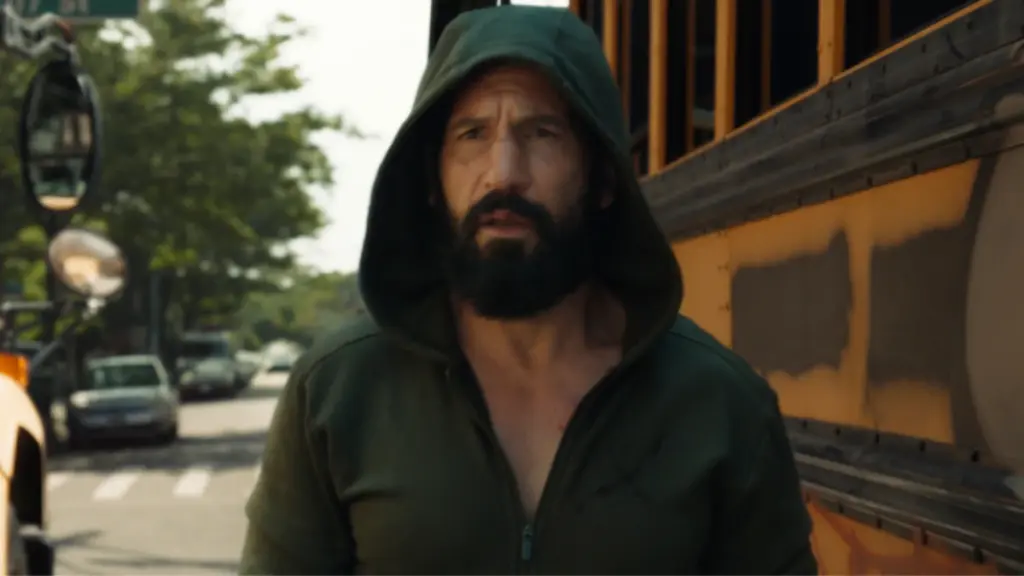
Constant flashbacks and ghostly voices are used to solidify thematic throughlines that have been present and obvious since the character’s very first appearance in Netflix’s Daredevil. Frank’s love for his daughter (and general apathy for his son, yeesh) is already established through visuals and monologues. It feels a bit on-the-nose to batter this special with her cries. Despite this hitch, this take on Frank does still feel like a return to Daredevil Season 2, Frank’s introduction, and probably this iteration’s strongest characterization to date. Here is a man who would shoot up a hospital to get at one criminal and/or tie up Daredevil to put him through a Saw trap.
The World Around Frank
However, for a story so willing to critique Frank as a man, it seems entirely uncritical of him as an actor. The hand-to-hand (or ax-to-head) fighting is incredibly well-shot and choreographed, but the drama behind most of it is missing. The Punisher mowing through dozens of enemies feels like he’s clearing a video game level, with its conclusion given the emotional weight of a side-quest completion cutscene. That said, in those key moments where violence does lock in, The Punisher: One Last Kill excels at making Frank feel like a slasher villain… though no one ever handed Jason Voorhees a token of gratitude.
The stakes are hard to parse, particularly with the lack of an end condition. The violence won’t stop with Frank’s death; there’s no way for him to get all his enemies, and there’s no key kill that halts the chaos. Frank isn’t fighting his way out of anywhere or towards anything; the story wraps up because the special needs to end under an hour. In a way, it’s almost a profound way of engaging with the character, who has remained devotedly goalless for his decades-long comics history. Even if One Last Kill lays out an interesting meta-commentary on Frank’s motivation, it seems too intent on actually ending this particular chapter in Frank’s life to commit to the bit.
The world around Frank is violent, chaotic, and utterly lawless. Without getting too into the hairs of the Marvel Cinematic Universe, it’s difficult to square this with the New York City that we saw as recently as Daredevil: Born Again Season 2. The world of One Last Kill is populated by killers, lunatics, and victims. It’s like Dredd if it weren’t constantly winking at its audience. It’s grimy, ugly, and miserable, and Frank isn’t a shining light in the darkness, nor is he even particularly unique among the killers.
The Punisher’s Impact
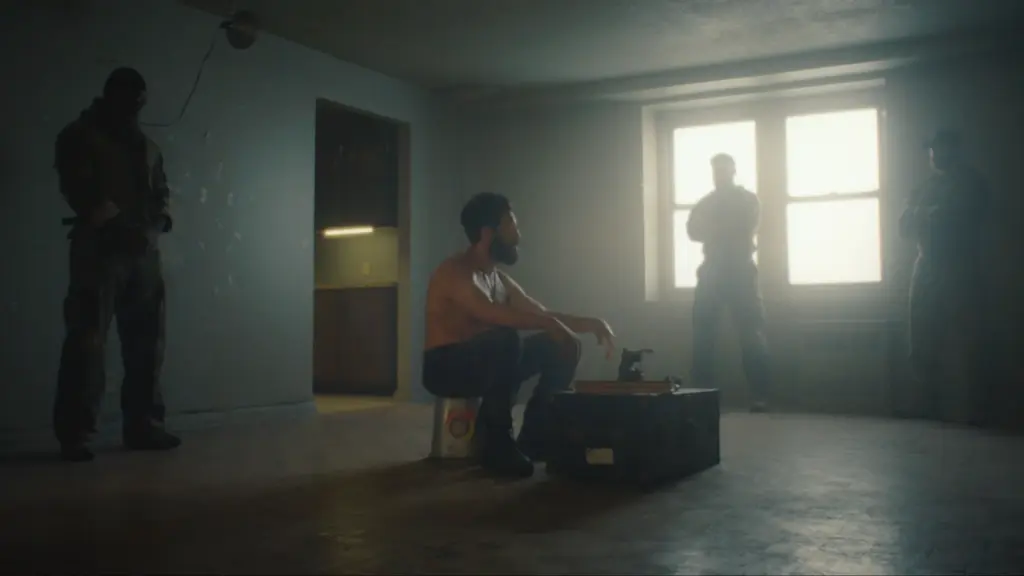
Frank’s violence, aimed at the victimizers instead of the victims, is still just as gruesome and unpleasant as that enacted by his targets. This makes the way the special ultimately treats him a bit tough to wrap your head around, especially given the lack of any impact on civilian audiences in front of whom he performs these incredibly grisly kills. If the conclusion of Ma’s “you’re no different than me” framing is that Frank needs to strive to be a protector instead of an avenger, an interesting update to his code, then there’s dissonance in the triumphant finale meant to display his growth, seeing him knife a fleeing goon in the back, evil as said goon may be.
Courtesy of Disney
With this note, it’s worth addressing the elephant in the Battle Van. The Punisher, through his logo, has taken on a cultural life of his own, separate from any on-panel or on-screen canon. A character who takes up arms to put down anyone who steps outside his moral purview has always been dicey, but ever since he swapped out his white Go-go boots for military kicks, it’s all felt a bit too real. Frank’s only real lines back to comic book ridiculousness — his nom de guerre and costume — make cursory-at-best appearances in One Last Kill.
How Do You Approach The Punisher?
Marvel has long been trying to figure out how to handle this character, between putting him in larger-than-life supernatural situations, challenging his moral code, or explicitly having his stories deride Punisher wannabes. Overall, The Punisher has been allowed meta-freedom to operate under the same conditions that make films ranging from Die Hard to First Blood uncontroversial action classics. The introduction of John Wick and its derivatives has especially paved the way for Frank to find his place in the current action canon.
That’s why it’s so strange to see the execution here feel more thematically akin to something like Joker than it does Commando. The Punisher: One Last Kill seems intent on somehow avoiding both catharsis from its violence and any dissection of it. It’s deadly serious and downright allergic to anything approaching camp (an element that had been a mainstay of all past adaptations of the character). It’s also impossible to separate this tone from the special’s cinematic language. Everything about One Last Kill feels aligned with that skull-sticker-core aesthetic, from time spent on slow-motion shots of Frank walking around to gruff line reads.
Limitations of the “Special Presentation” Format
It’s hard to wonder if this lack of depth doesn’t come down in some ways to the medium of The Punisher: One Last Kill. The Special Presentation format doesn’t fully work for a character like the Punisher. It lacks the structure of a three-act film or the runtime of a proper television season. At the same time, it doesn’t have the short-and-snappy bite of something like The Punisher: Dirty Laundry, the ten-minute fan film that saw the return of Thomas Jane’s Frank. Instead, we get what feels like a forty-minute clip from something larger, missing a proper goal, supporting cast, or plot progression.
Courtesy of Disney
Like Frank, the special seems interested in racking up a body count. Where previous examples of the Marvel Television special shine because of their framing as fun one-off adventures or novel character introductions, the Punisher lacks the breeziness for something like that. While One Last Kill effectively repositions Frank as a character, showcases solid action from director Reinaldo Marcus Green (King Richard), and gives Bernthal a chance to flex his performance, the limited runtime means the situation he finds himself in feels underdeveloped. Instead, it employs time-honored stock characters: the mob godmother, the tattooed bruiser, the innocents. It’s a pretty classic way of establishing emotional stakes, but when used this extensively, it ends up feeling fairly thin.
A Missed Opportunity
There are moments of greatness in The Punisher: One Last Kill that generally get undercut. Frank’s hallucinations feel like they could give dimension to either the hellscape he lives in or the nonchalance with which civilians accept his violence. The price on Frank’s head and the hell that goes down in its wake feels blunted when that hell is already going down before the bounty is live. The loss of the Gnuccis is responsible for the instability of the story’s setting, a loss that falls squarely on Frank’s shoulders, but it’s not given the screentime or emphasis that such a thematically load-bearing plot beat would require.
If the Marvel Special Presentation excels when used to introduce new characters (like Werewolf by Night) or to give heroes a fun reprieve from life-altering experiences, it clearly buckles under the weight of its own runtime when used to challenge an already established protagonist. One Last Kill is an interesting enough chapter in the life of Frank Castle, but that’s sadly all it is. If it had been an exploration of Frank as a broken man, it would have killed. If it had been a forty-minute, beat-’em-up action showcase, it would have ruled. However, it piles far too much on its plate, all while seeking to unpack, disassemble, and rebuild its protagonist. And throw a lot of people off buildings.
★ ★ ★ ☆ ☆
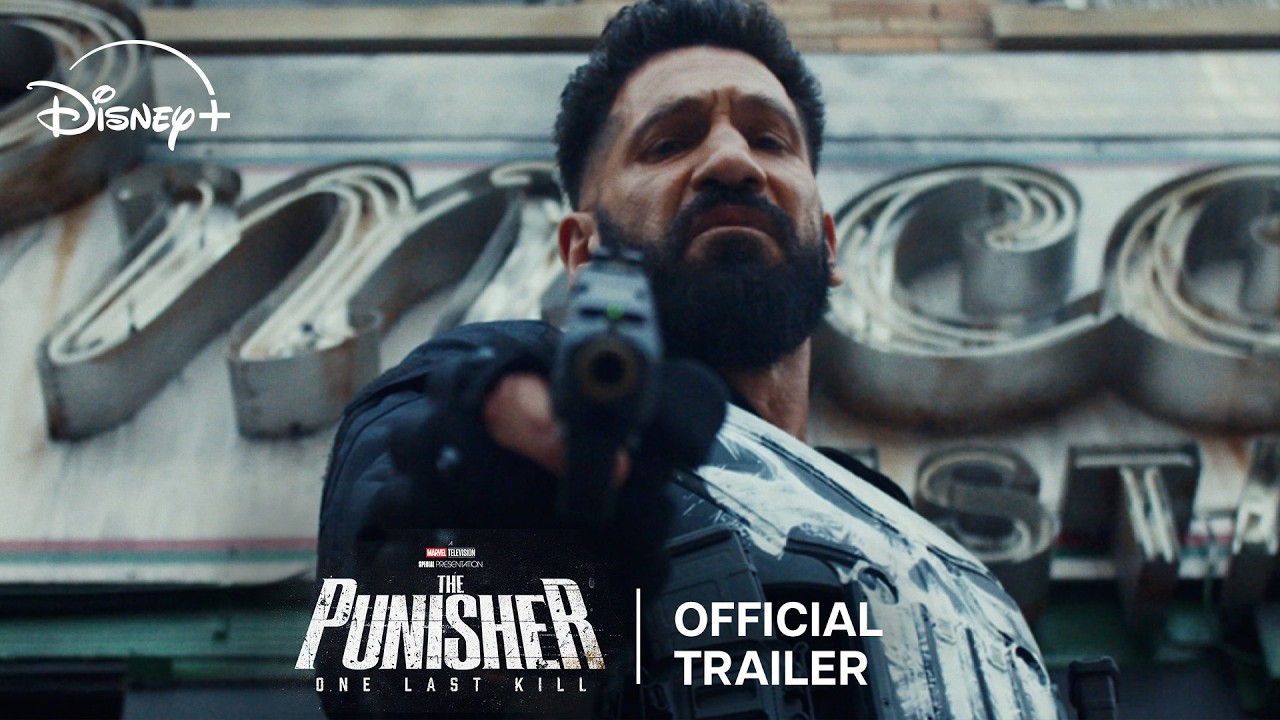
The Punisher: One Last Kill premieres on Disney+ on May 12!
Premiere Date: May 12, 2026.
Directed by Reinaldo Marcus Green.
Written by Jon Bernthal & Reinaldo Marcus Green.
Based on The Punisher, created by Marvel Comics.
Executive Producers: Kevin Feige, Louis D’Esposito, Brad Winderbaum, Sana Amanat, Reinaldo Marcus Green, & Jon Bernthal.
Cinematographer: Robert Elswit.
Composer: Kris Bowers.
Editor: Melissa Lawson Cheung.
Production Company: Marvel Television.
Runtime: