

Few filmmakers are as attuned to Stephen King as Mike Flanagan. His adaptations of Gerald’s Game (2017), Doctor Sleep (2019), and The Life of Chuck (2024) are widely praised and beloved for wholly capturing the light, darkness, and deep eccentricities of King’s world. Despite the love for those adaptations, fans were cautious when the horror auteur announced his first project with Amazon MGM: a show based on King’s first published novel, Carrie. For many, Brian De Palma’s 1976 film is the definitive Carrie adaptation. Many also feared that key details left out of the iconic movie (like Carrie’s more actively vengeful personality and struggles with being overweight) would be ignored once again.
As more information about the Prime Video original series emerged, it became clear that Flanagan would take a radically different direction from the source material. Moving away from the 1970s setting, Prime Video’s Carrie updates the story to reflect the current sociopolitical moment. In addition to modernizations, Flanagan adds brand new material to fit an eight-episode season of television (he has since shared that he has a three-season plan if Amazon decides to greenlight). Some of these aspects are hard to swallow, but Flanagan’s track record is so consistently great that I entered the show with cautious optimism and even began to admire the strengths of its unique vision.
Unfortunately, even with the benefit of the doubt, Mike Flanagan’s Carrie series is ultimately a disappointment that misunderstands the original story’s tragedy. Moreover, it reveals Flanagan’s worst storytelling impulses.
A Modernization of ‘Carrie’ Stretched Into an 8-Episode Season
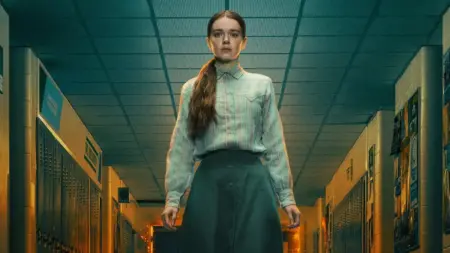
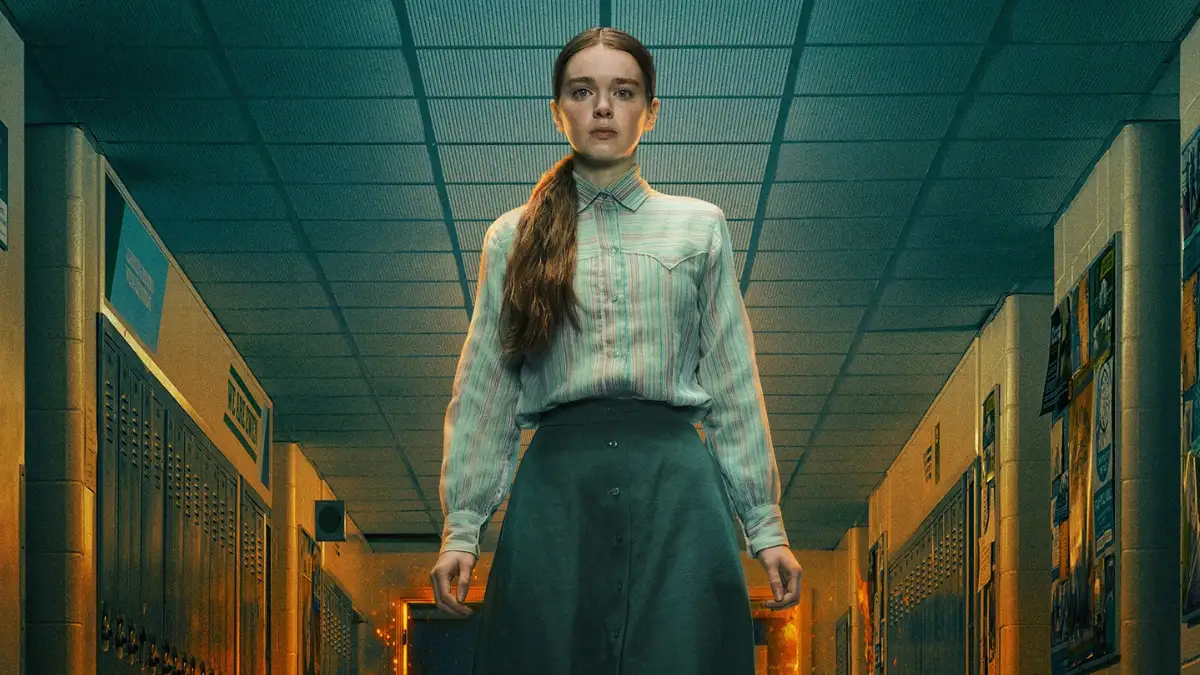
Set in a fictional town in Maine, the series follows the adolescent life of a sheltered, doe-eyed girl named Carrie White (Summer H. Howell). Following the death of her religious zealot father, who isolated her and her mother, Margaret White (Samantha Sloyan), from the “sin” of the outside world, Carrie must now begin to live life as a normal high-school teenager. After she traumatically experiences her first period, the cruelty of fellow students, and her overbearing mother, she starts to develop telekinetic powers.
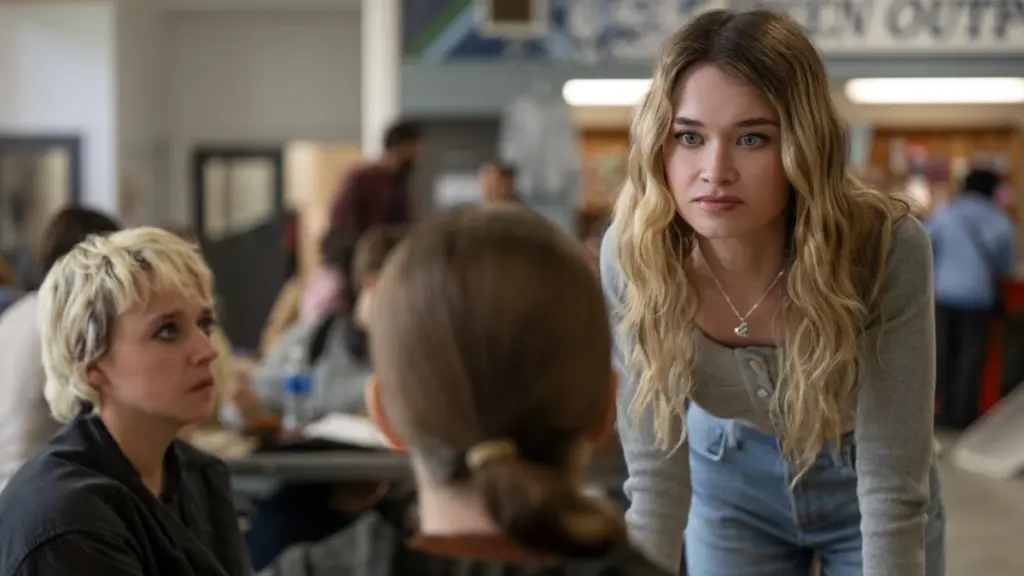
When Carrie forges a light friendship with class president and overachiever Sue Snell (Siena Agudong), she finds herself at odds with popular girl Chris Hargensen (Alison Thornton). Soon, Hargensen starts lashing out at Carrie’s insecurities through online bullying on a Gossip Girl-esque Instagram page called “Carrie Red.” Tensions at school continue to rise and boil over the course of the season, leading to a horrific and violent incident that will forever shape everyone’s lives: prom night.
The ‘Carrie’ Series Robs Its Heroine of Her Agency
On the press tour, Mike Flanagan explained that there are two types of book-to-screen adaptations. One focuses on preserving as much of the original work as possible. The other is more transformative; it’s about capturing the essence of the text while updating it for a new perspective. To Flanagan’s credit, one of his greatest projects, Netflix’s The Haunting of Hill House, falls under the latter, as it barely resembles Shirley Jackson’s 1959 novel apart from thematic material. With a bold enough vision, transformative adaptations can indeed work. Carrie benefits from a strong pilot and occasional compelling moments of drama peppered throughout the season. However, as the story culminates, it can’t hide the lack of cohesive vision.
When it comes to Flanagan’s changes, the ends rarely justify the means. To write a character as sheltered as Carrie in the age of social media, she needs a new backstory as an isolated child. Rather than being cynical and full of malaise, Carrie is now naively good-natured. She’s honestly written like a Disney princess, excited to discover the world around her. Flanagan seems interested in showing a side of Carrie that isn’t only rooted in suffering, which isn’t a bad idea on paper. It could have worked if viewers got to see Carrie’s regression into a vessel of rage from the novel; instead, she remains a heart of gold the whole series.
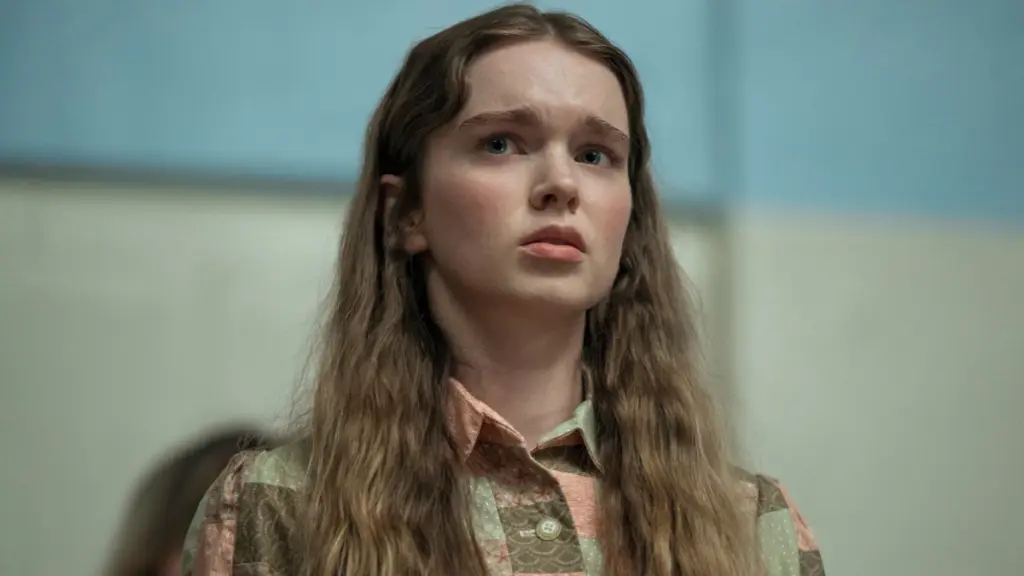
This is a fundamentally shallow, overly simplistic depiction of Carrie White and the tragedy of her story, despite Summer H. Howell’s excellent performance and moments when she tries to give her a little edge. The Carrie Red plotline explores the hostile dynamic between parents, children, and faculty, echoing real-world issues today. Yet it does so at the cost of Carrie’s outsider status, as most students are actually on her side by the end of the season. The show ultimately does so much to undercut Carrie’s agency (especially in its climax) that it’s hard to understand what Flanagan is aiming to do with the material.
Despite a Great Ensemble Cast, the Show Falls Apart
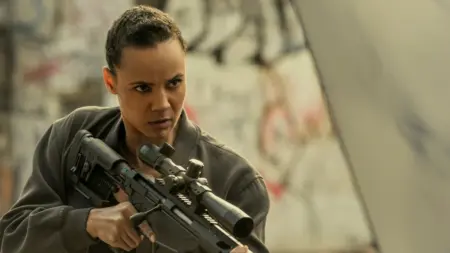
As mentioned, Summer H. Howell tries her best with what she is given and often shines, even when the script fails her. She is always compelling, maybe just not in the way the plot requires. This is true of most of the cast, with its mix of Flanagan regulars and newcomer talent. Siena Agudong as Sue Snell often feels like the heart of the show, and her genuinely sweet demeanor grounds the world well. Samantha Sloyan’s Margaret is a force of nature — equally loving and cruel in her warped motherly way. Alison Thornton’s Chris Hargensen is ruthless but never a total caricature of evil. The cast features plenty of women with strong, tangible personalities.
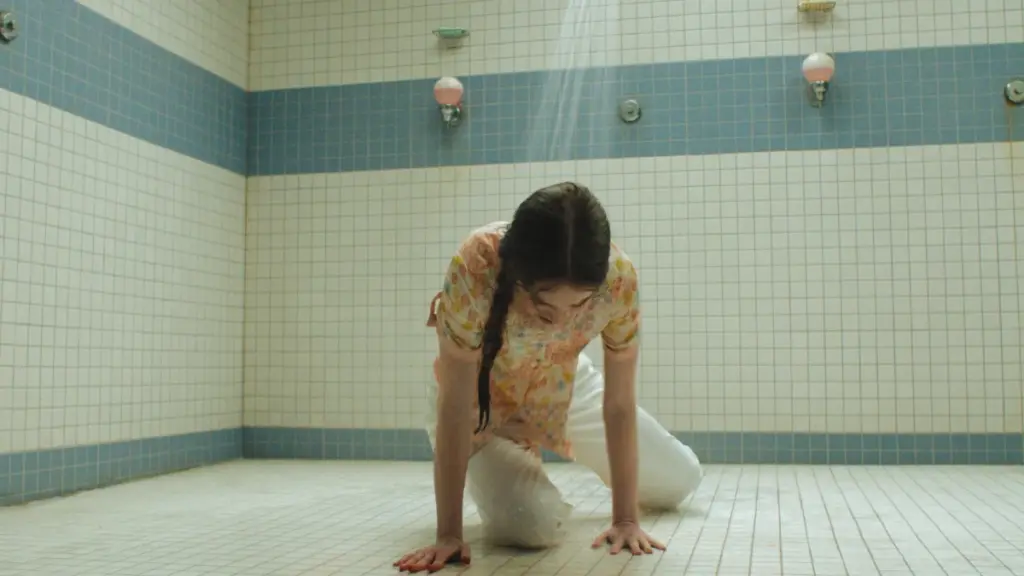
For a good few episodes of Carrie, the series holds attention well enough. Quickly, though, as the back half of the season starts to expose its lack of genuine payoff and evolution of its disparate ideas, the stretching of one of Stephen King’s shortest stories rears its ugly head. Then, the season’s finale, the very moment that defines the impact of the entire story, fails to deliver a punch. If that wasn’t enough, all of the worst elements are teased as important setup for a potential second season. Carrie not only lands with a thud, but also retroactively removes all the goodwill the show had in the first half.
Mike Flanagan’s Greatest Strength Turns Into a Fatal Flaw
No single magical change would save this series, but if there’s one thing that hurts Mike Flanagan’s Carrie, it’s that he’s probably too much of a sentimentalist to adapt Stephen King’s seminal 1974 novel. For a while, Flanagan’s deep empathy and catharsis made his voice unique in a horror genre defined by cruelty and suffering. However, his failure to engage with one of King’s sharpest and most tragic narratives exposes his sentimentality as a weakness. He loves his characters a little too much, more compelled by a plucky young Carrie White who chooses kindness in the face of darkness than by the Carrie who is abused and tortured until she gives in to that darkness.
Mike Flanagan is one of the best genre filmmakers working today. In Carrie’s best moments, his motivations to make something that exposes the unfathomably difficult reality teenagers face today are clear. It’s easy to see why he wanted to offer comfort and hope, and create a heroine young teenagers can identify with as audiences watch her spirit stand tall in the face of pain and suffering. I just don’t think Stephen King’s Carrie is the right vessel for that message at all. The version Flanagan crafted sadly feels less like a tribute and more like a betrayal of what came before.
★ ★ ☆ ☆ ☆
All episodes of ‘Carrie’ hit Prime Video on October 7!
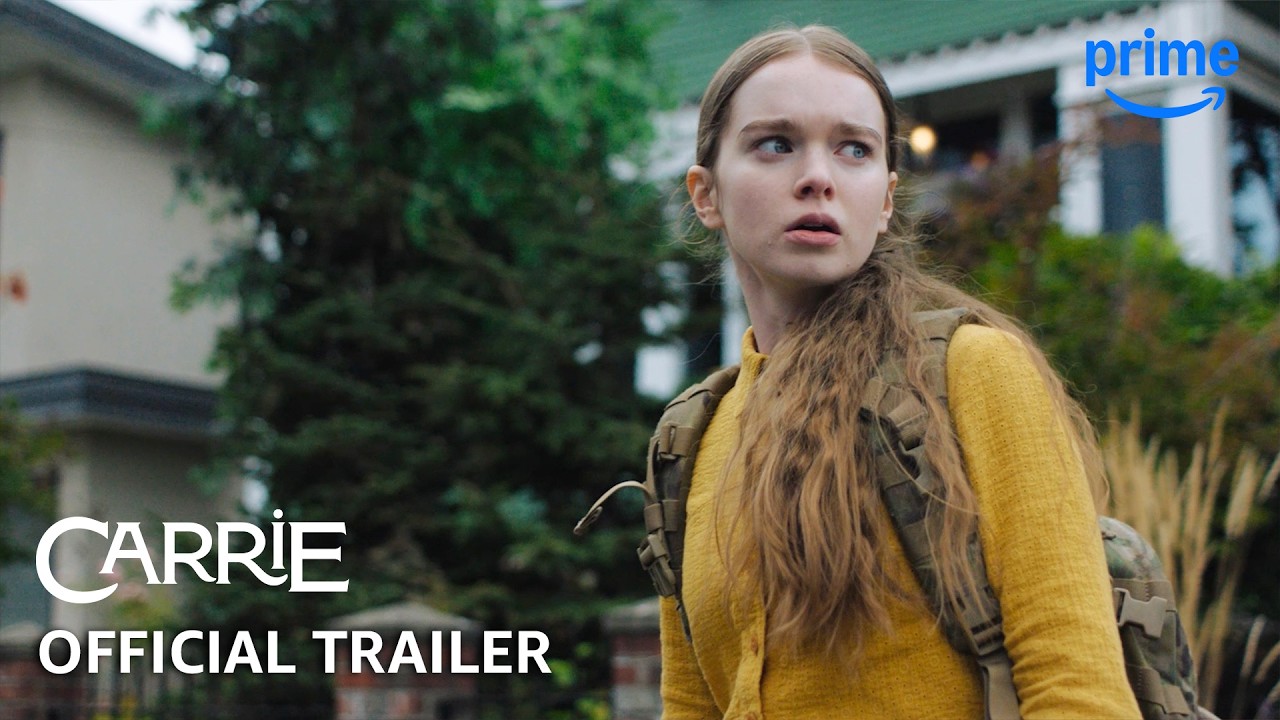
Premiere Date: October 7, 2026.
Developed by Mike Flanagan.
Based on Carrie by Stephen King.
Showrunner: Mike Flanagan.
Executive Producers: Mike Flanagan, Trevor Macy, & Stephen King.
Season 1 Directors: Mike Flanagan, Kate Siegel, Axelle Carolyn, Kyra Sedgwick, & Hiromi Kamata.
Season 1 Writers: Mike Flanagan, Elizabeth Padden, Justina Ireland, Dani Parker, Elan Gale, Alexandra Magistro, & Rebecca Leigh Klingel.
Main Cast: Summer H. Howell, Samantha Sloyan, Siena Agudong, Alison Thornton, Joel Oulette, Josie Totah, Arthur Conti, Thalia Dudek, Amber Midthunder, & Matthew Lillard.
Composers: The Newton Brothers.
Production Companies: Intrepid Pictures, Red Room Pictures, & Amazon MGM Studios.
Network: Amazon Prime Video.
Episode Count: 8 (Season One).