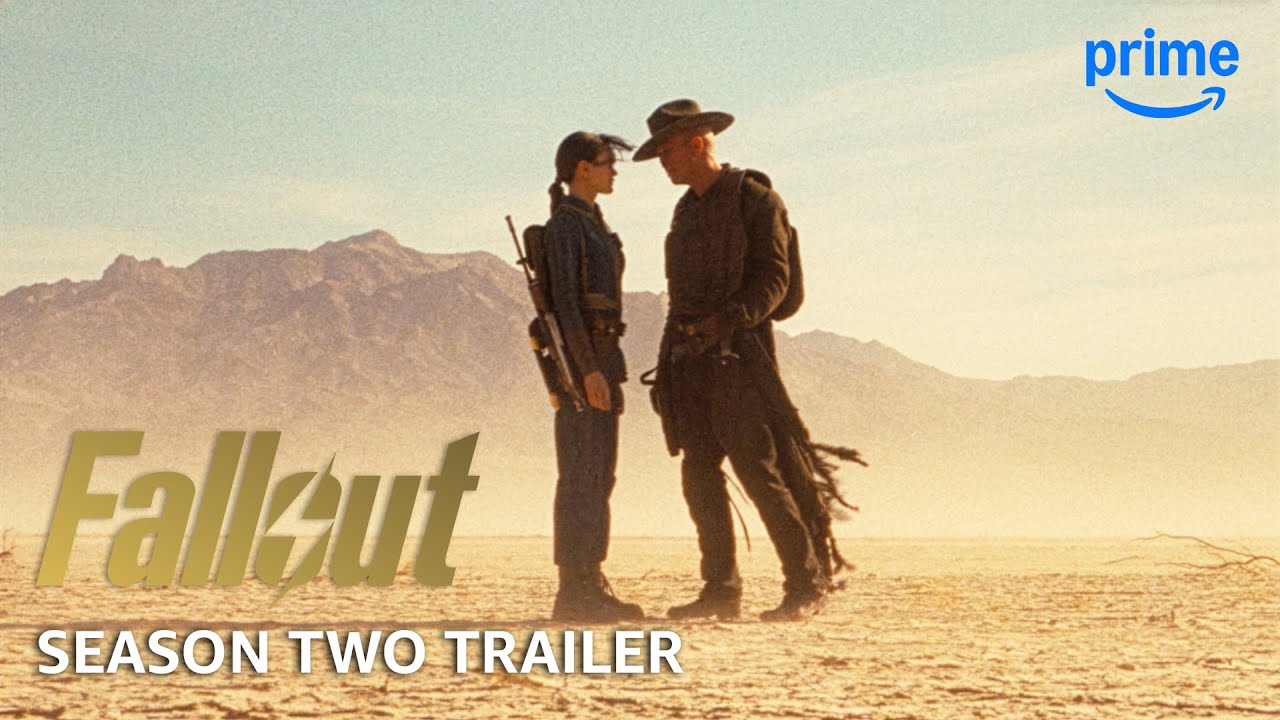


When the first season of Prime Video‘s video game adaptation, Fallout, premiered in 2024, it arrived under an all-too-familiar shadow that looms over most adaptations. There was always a level of optimism about the project, though attempts to bring video games to life on both big and small screens often end up disappointing. Yet, the Prime Video original series thrived on its retro-futuristic aesthetic, telling a story separate from the games but set in the same universe. That character-driven narrative provides a strong foundation for Fallout Season 2, with a creative team that is not only more assured but also armed with an exciting new backdrop.
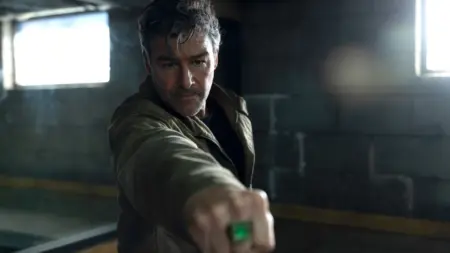
Fallout Season 1 ended with the exciting revelation that Lucy’s (Ella Purnell) father, Hank MacLean (Kyle MacLachlan), was a key executive at Vault-Tec who helped spark the Nuclear War that led to the series’ apocalyptic wasteland. While Hank escapes in Power Armor, Lucy and the Ghoul (Walton Goggins) follow suit, with Lucy hoping to get closure, and the Ghoul wanting to find out if his family is still alive. This was all done with the promise of the characters going to an exciting location that Fallout fans are all too familiar with: New Vegas. With more deliberate pacing, the result is a strong sophomore effort that doesn’t surpass the first season, but at least maintains its quality.
A Dual-Narrative Season that Works on Multiple Levels
Fallout Season 2 is all about refinement, taking the characters viewers grew to love and giving them separate arcs that eventually converge. Lucy finds herself with the Ghoul this season, whereas the rest of the cast find themselves separated by different factions, lands, and even across various timelines. The dual narrative structure returns in these latest episodes, with flashbacks to before the Great War setting up where many characters currently find themselves in the Wasteland. It’s a fantastic narrative device that not only brings the story full circle but also gives actors like Goggins and MacLachlan the chance to showcase entirely different facets to their characters.

Courtesy of Prime Video
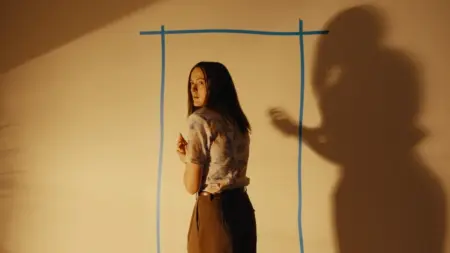
If the first season of Fallout was all about taking Lucy out of the vault and showing her the horrors of the apocalypse, this next installment can be seen as centered on themes of legacy and control. Ella Purnell (Yellowjackets, Arcane) brings a fresh and fascinating dimension to Lucy; no longer innocent and sheltered, she tries to retain her morals in a world without any. The Ghoul is the same as he ever was, hardly a complaint when an actor as charming as Goggins is the one bringing him to life. Instead, much of the Ghoul’s development comes from new flashbacks to Coop’s life before the war.
New Vegas and the Seduction of Control
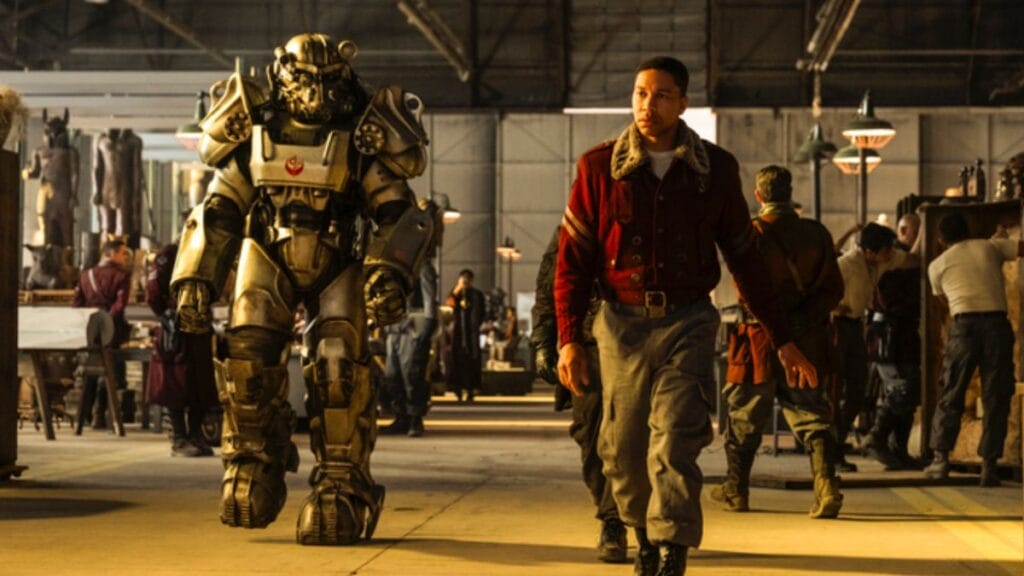
As for New Vegas itself, which has been the center of the hype and promotion surrounding Fallout Season 2, it doesn’t disappoint. The production design is one of this streaming show’s strongest elements, blending impressive real-world sets and props with visual effects that accentuate rather than distract from them. It’s especially evident with the subplot involving the Brotherhood of Steel and Maximus’ (Aaron Moten) newfound celebrity status within the faction. With giant Power Armor suits, impressive costuming on the Brotherhood, and an intriguing power struggle, it’s Maximus’s story that shows the most potential this season.
Courtesy of Prime Video
What’s incredibly refreshing about Fallout season 2 is how quickly the series picks up on the exciting plot threads that fans were left with a year ago. We’re shown almost immediately what’s happening with Maximus and the sudden burden of leadership and responsibility laid before him. Power and control are at the heart of the conflict, with several factions vying for superiority. This is partly shown with Kumail Nanjiani‘s new character this season, a member of the Brotherhood of Steel who gives Maximus insight into the larger world of politics and power he’s been blissfully unaware of until now.
Fallout Season 2 Features a Wasteland With Too Many Moving Pieces
While Lucy, the Ghoul, and Maximus all have exciting arcs that seem destined to converge, other stories featured this season feel less critical yet still take up precious screen time. The world of the Fallout video game franchise is famously massive, with lore from each game that can often overwhelm the player. The same can be said for the Prime Video series: there are so many characters in the Vaults, in the flashbacks, and even in New Vegas that these new episodes start to buckle under the weight of all the different subplots.

Courtesy of Prime Video
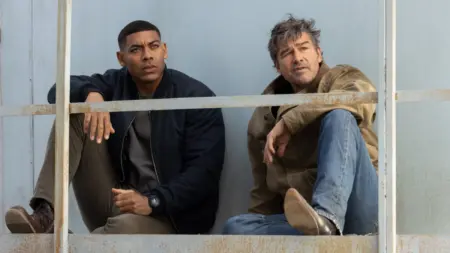
The story of Lucy’s younger brother, Norm (Moisés Arias), and how he deals with the consequences of his family’s actions is intriguing. However, it steals time away from the far more interesting (and seemingly integral) adventures of Lucy and Maximus. Additionally, everything centered around the Vault is on much smaller stakes and is a step backward, nearly a regression to the first season, and somewhat repetitive. Despite that, Prime Video’s TV adaptation maintains a strong pace but undeniably lacks the momentum of its riveting 2024 debut, which finally brought Fallout to live action after years of development.
An Ambitious Second Season that (Mostly) Pays Off
With internal power struggles within the Brotherhood and Maximus trying to find his own sense of right and wrong, Lucy trying to preserve her moral compass amid the wasteland, and the Ghoul struggling with his dark past and uncertain future, Fallout Season 2 offers truly engaging thematic content. That’s not even touching the hints of greater worldbuilding, specifically regarding Justin Theroux‘s Robert House, that suggest this latest season is set to have an explosive and exciting conclusion. Plus, as a neat bonus, there are plenty of subtle nods and references to popular characters and monsters from the Fallout games, as this second season leans harder into the fantastical elements of the games.
Although it doesn’t surpass the highs of its debut season, Fallout Season 2 maintains its quality and strengthens the foundation of its twisted and colorful world. Focusing on questions of power, legacy, and moral compromise, the television series has distinguished itself as an exceptional video game adaptation. Showrunners Graham Wagner and Geneva Robertson-Dworet have crafted a thoughtful exploration of what happens after the world comes to an end… and what gets lost along the way. Despite having some story arcs that don’t ever fully coalesce into something resonant or meaningful, there’s enough heart and bloody mayhem in Fallout Season 2 to justify it as a strong continuation.
Fallout Season 2 Premieres on Prime Video on December 16!