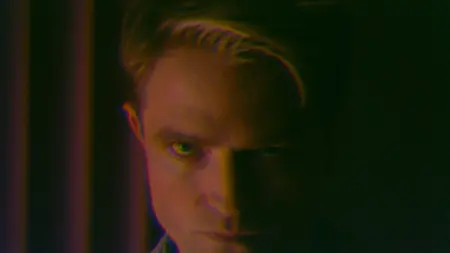


The History of Sound (2025), directed by Oliver Hermanus (2022’s Living), is a restrained yet deeply moving drama quietly exploring a forbidden love story between two young musicians in the early 20th century. Based on a pair of short stories by author Ben Shattuck, who adapts his own work here in script format, The History of Sound doesn’t let its characters come out of their shells. Their passion is self-contained, and there are no big, sweeping gestures. This approach makes way for the ultimate heartbreak, which often remains unspoken, leaving a profound impact on the viewer.
David White (Josh O’Connor), a talented and privileged pianist from New England, and Lionel Worthing (Paul Mescal), a gifted American songster from a modest Southern background, cross paths at the Boston Music Conservatory in 1917. Their shared love of folk music sparks a great friendship that soon blossoms into something more intimate. Everything changes when David is drafted into World War I; his return to the U.S. from the Western Front serves as a major turning point in their taboo romance.
When Love and Music Collide
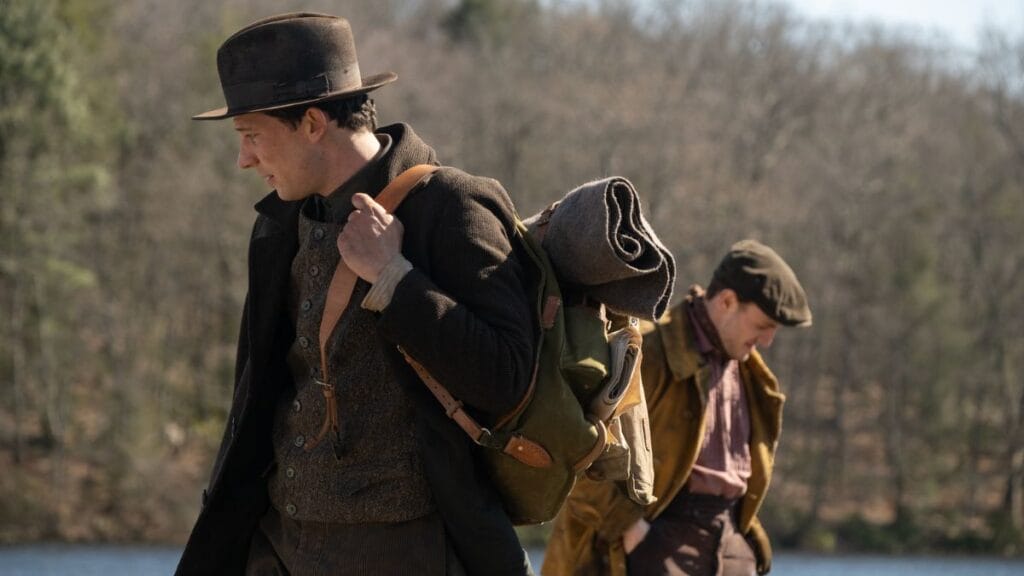
After suffering from significant emotional turmoil in the trenches of war, David is no longer the eager young musician Lionel once knew. David’s internal retreat is vivid but overlooked as the two embark on one last journey to record folk songs across rural Maine in the summer of 1920, traveling to places most people would ignore. The film’s expansive plot then sees Lionel eventually moving to Italy to advance his musical career, deepening a rift between the two ex-lovers. Letters are left unread, so Lionel ultimately stops writing to David and moves on with his life in Europe. However, a sudden death prompts him to return to America, where he tracks down David one last time, hoping to reconnect.
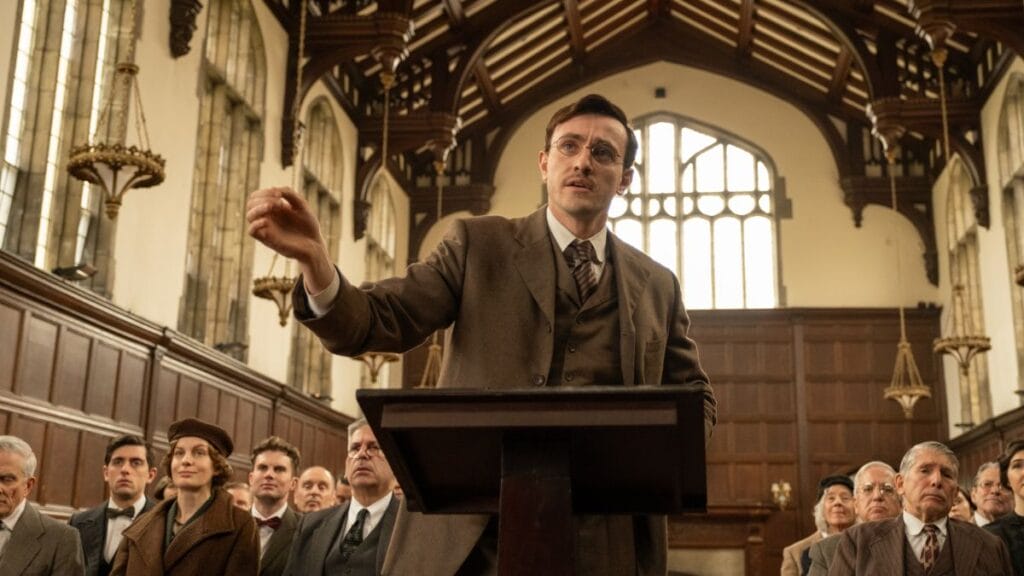
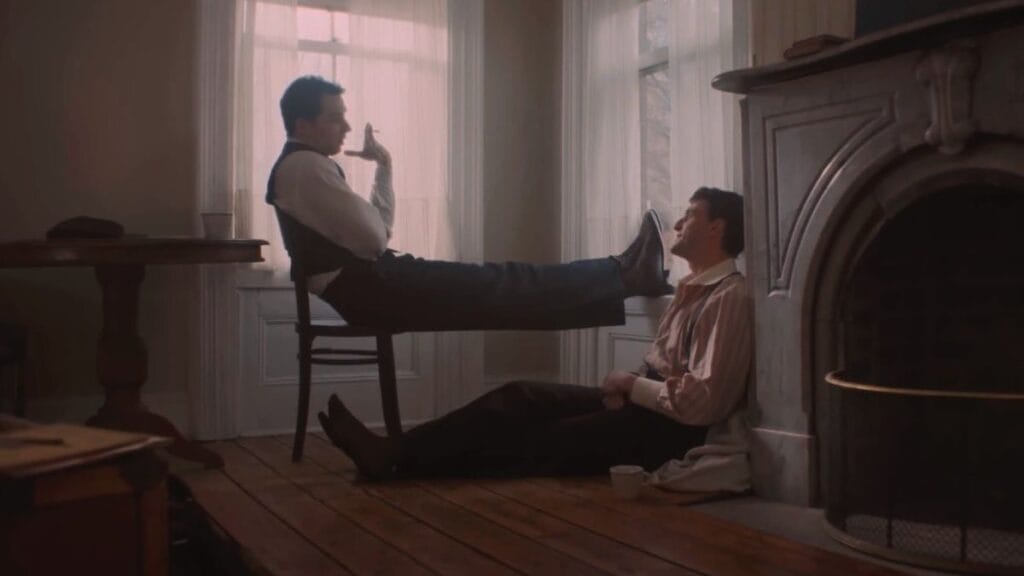
The History of Sound unfolds its central forbidden romance not through words, but through glances, touches, and the shared language of music. The chemistry between Paul Mescal (Gladiator II, All of Us Strangers) and Josh O’Connor (Challengers, Wake Up Dead Man) is palpable; their relationship feels completely natural. Director Oliver Hermanus captures their intimacy via lingering close-ups of hands brushing, passionate kisses, and light softly hitting their bare bodies. This restraint could be frustrating for audiences who yearn for overt passion and electricity between the two leading men. Yet, this is not that kind of movie.
Paul Mescal and Josh O’Connor Convey Two Different Kinds of Heartache
To some, the way in which The History of Sound subtly depicts gay love will be refreshing. Others, meanwhile, might walk away dissatisfied, given how unrestricted other similar projects are. However, the film’s reserved nature further highlights the devastating consequences of David and Lionel’s tender silence, which becomes part of their romantic tragedy as the two drift apart. Paul Mescal’s performance as Lionel is a standout. His affection for David is never explicit and is mainly communicated through looks of longing and small gestures. Mescal brings a vulnerability to Lionel, making his untold feelings more poignant.
After a series of relationships with other men and women, Lionel realizes just how special David is to him. Thus, he is prompted to track him down and win him back. Although Josh O’Connor’s screen time is limited, his portrayal of David is equally impactful. O’Connor does an impressive shift in David’s mannerisms and appearance as he suffers from life post-war. His performance during the early scenes, when David is open and eager, leaves a lasting impression on the audience and Lionel. In contrast, his later scenes unveil the internal anguish of his character after enduring so much during WWI.
The Words Never Said are the Most Effective in The History of Sound
Oliver Hermanus’ The History of Sound is as much about music as it is about love. The film is filled with gorgeous wide shots of rural landscapes as the main duo travels to record folk songs, capturing the essence of America’s hidden sounds. Cinematographer Alexander Dynan (First Reformed, The Card Counter) does an excellent job, as his elegant framing and lighting enhance the intimacy of this narrative. Beautiful soft sources of light are ever-present, complementing the characters’ faces as they translate more with a simple look than they can ever say with words. The movie overall doesn’t draw a lot of attention to itself visually, lending to a naturalistic and lived-in experience, despite being very carefully crafted.
This is a meditative tale about longing and the connection that music, as well as other art forms, can create between people. The nuanced performances on display and careful pacing allow space for The History of Sound to make its landing. It’s a soulful and reflective experience at the cinema. If viewers fail to connect to the film’s gentle style of storytelling, it may feel too safe, lacking the risk that some desire from a gay romance/period piece. In its final moments, though, The History of Sound delivers a heartbreaking gut punch that will leave those watching in just as much pain and agony as its characters.
The History of Sound premiered at the 2025 Cannes Film Festival! The film hits select theaters on September 12 and then goes nationwide on

Release Date: September 12, 2025.
Directed by Oliver Hermanus.
Screenplay by Ben Shattuck.
Based on The History of Sound by Ben Shattuck.
Produced by Oliver Hermanus, Sara Murphy, Andrew Kortschak, Lisa Ciuffetti, Thérèsa Ryan-Van Graan, & Zhang Xin.
Main Cast: Paul Mescal, Josh O’Connor, Chris Cooper, Molly Price, Raphael Sbarge, Hadley Robinson, Emma Canning, Briana Middleton, Gary Raymond, Alison Bartlett, & Michael Schantz.
Cinematographer: Alexander Dynan.
Production Companies: Film4, Closer Media, Tango Entertainment, Storm City Films, End Cue, & Fat City.
Distributors: Mubi (North America) & Focus Features (International).
Runtime: 127 minutes.
Rated R.