

The bombshell news that many in the film industry did not expect is official: Netflix is buying Warner Bros. Discovery. When Paramount initially made its play to buy Warner Bros. only a few months ago, the consensus across Hollywood was that it would likely pass through in 2026. With U.S. President Trump being friendly with new Paramount owner David Ellison, any regulatory hurdles and anti-trust concerns would have been easily overcome. Up until recently, Netflix did not seem like a serious bidder, with co-CEO Ted Sarandos’ comment, “We’re better builders than buyers,” ringing in Hollywood execs’ ears.
As it turns out, Netflix is a buyer, one with massive pockets full of cash. Making a majority cash offer close to $83 billion for WBD, it’s unclear if Paramount will be able to respond to such a bid with its back-up plan of a hostile takeover, or if WB shareholders would even be receptive to another proposal after this Netflix deal. Nonetheless, Netflix claims they are unafraid of any government regulation in getting this sale done around Q3 of 2026 — meaning that by this time next year, we might be entering a new age of Warner Bros. under Netflix. But what would this actually look like? Here are the 6 strongest possibilities.
1. Killing Theatrical Windows
Netflix co-CEO Ted Sarandos has already announced plans to change Warner Bros.’ theatrical release model over the next few years. Presumably, when certain legal deals run out for Warner Bros. projects that are currently in some form of pre-, post-, or principal production, then all future Warner Bros. films would adhere to Netflix’s new theatrical model. What would that be? Unclear, but very likely not the 45-day window that theatrical exhibitors have come to prefer. The best-case scenario seems to be 14 to 30-day theatrical windows, with the hope that they are wide releases.
Courtesy of Warner Bros.
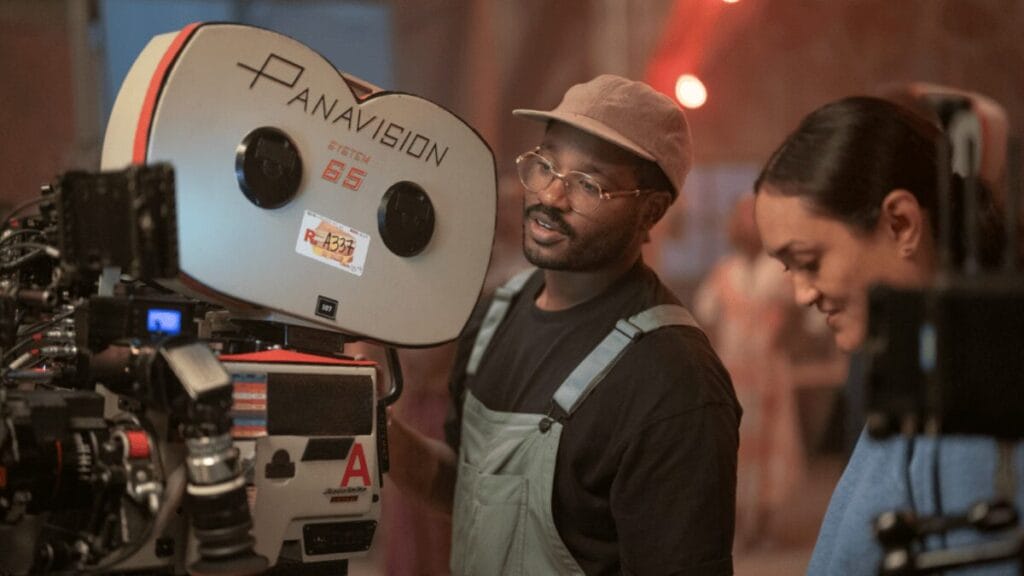
This is especially disappointing given Warner Bros.’ impressive run in 2025. You will probably never see another technical IMAX/70mm marvel like Ryan Coogler’s Sinners from the studio, or a bold original piece such as Paul Thomas Anderson’s One Battle After Another getting a long, wide release. Hell, it’s unclear if there will even be meme-powered theatrical hits like Minecraft anymore, which drew thousands of younger moviegoers to theater screens. If there is any takeaway on what has the bleakest outlook in the entirety of this deal, it is certainly the theatrical industry. Undoubtedly, theater chains and various union guilds will fight back against this merger. However, a company with Netflix/Warner Bros.’ market power will be hard to shake down.
2. A Vault of Classics is Put at Risk
With Netflix holding such a monopolistic grip on tentpole movie releases, filmmakers who decide to ditch Warner Bros. for guaranteed theatrical releases will have few other options — not to mention the damage this merger may have on original stories. For the past few years, Netflix has been building its own IP to keep up with other studios. If they get access to Warner Bros. IP like DC, Harry Potter, and Game of Thrones, alongside their own established franchises, Netflix will cut back significantly on original filmmaking to subsidize funding for more IP-driven projects across the board.
The studio will also hold distribution rights for Warner Bros.’ classic film library, including The Wizard of Oz (1939), Citizen Kane (1941), and Casablanca (1942). While Netflix will definitely serve as an easily accessible streaming platform for these classics, their future on physical media could be very slim. Similarly, Netflix will gain the rights to Turner Classic Movies (TCM). Admittedly, the streamer has put some effort into showcasing the classic films it has acquired over the years, but the likelihood of TCM flourishing under this new streaming regime is equally slim.
3. The Foggy Future of HBO/HBO Max
Once Warner Bros. Discovery splits, as part of this deal, Netflix will acquire only the main film studio and streaming assets. Thus, the streaming giant isn’t taking over as many networks as some are assuming. Among those networks and streaming services are HBO and HBO Max. Warner Bros. has already stated that it will keep HBO Max alive post-merger, while gradually transferring some of its library over to Netflix. This is obviously just legal jargon to help this merger pass regulatory hurdles in the streaming space, so let’s assume Netflix will fully merge HBO’s and HBO Max’s libraries into a single streaming platform.
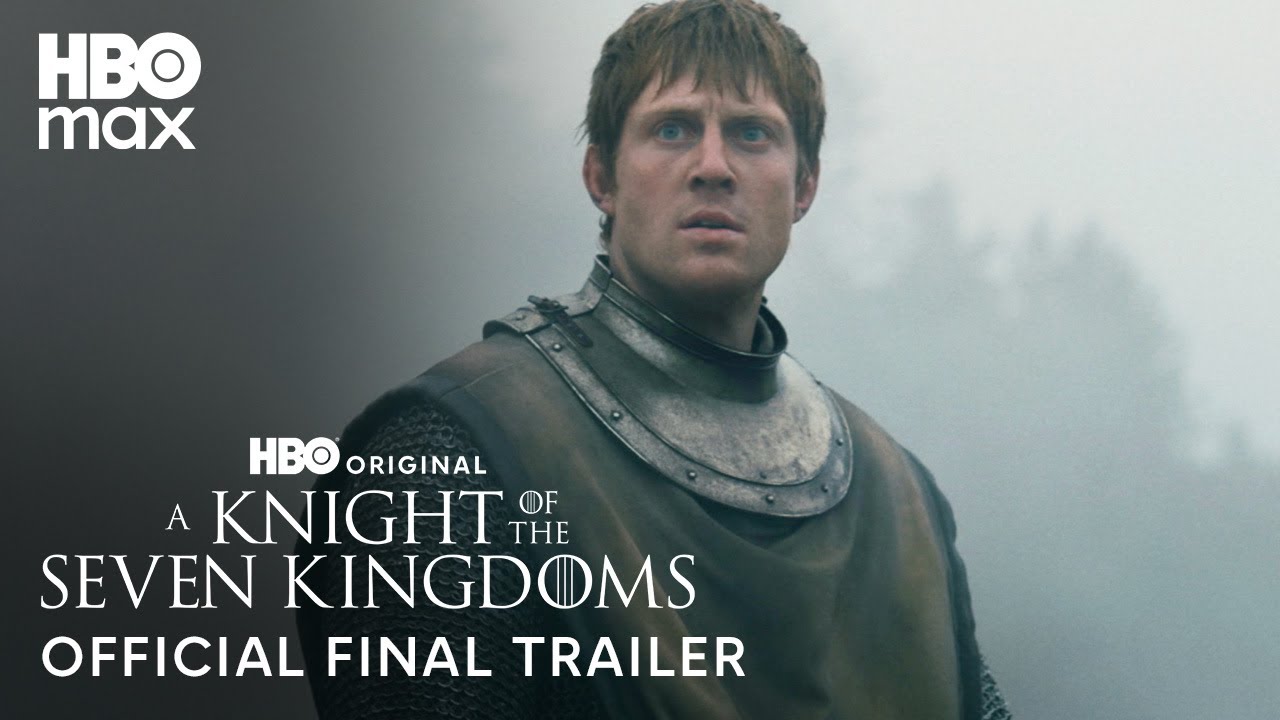
The first result of that is a net benefit for Netflix. Not only will it gain thousands of new movies and shows to offer subscribers, but the elimination of paying licensing fees for this breadth of content will also save Netflix potentially millions of dollars annually. This element is clearly one of the main reasons they pursued the company for acquisition. As for the existence of HBO? The best-case scenario would be turning HBO into what Disney has done with FX: a prestige label and studio for its more auteur-driven TV shows. The main difference here would be that Netflix is heavily predicted to close down HBO as a cable network down the line.
4. Cable Networks as Public Enemy No. 1
Netflix views cable networks as competitors that actively siphon viewers from its platform. Thus, in their eyes, keeping HBO alive on cable would be redundant. Adult Swim and Cartoon Network are two of the smaller networks that Netflix would acquire as part of the Warner Bros. transaction. It’s hard to say if they would both close down, given that they target a more specific audience than HBO does. Netflix would probably see value in the IP produced by the two networks. But when you are acquiring a company for $82.7 billion, there will be some casualties in cost savings.
Plus, when Netflix views the cable network industry as their dying competitor, they might take the initiative to deliver the killing blow themselves. Warner Bros. Television Group develops TV shows for other streaming brands, too, including Prime Video, Hulu, and Disney+. It would be expected that Netflix must honor existing contracts. Beyond that, though? The streamer has previously expressed no interest in developing shows for other studios, so that strategy would be completely removed.
5. DC Comics is Strangely Kept Safe Under Netflix
The one vertical in Warner Bros. that may see a small benefit from this acquisition is DC Comics, bizarrely. Netflix should be aware that, to continue producing DC films and shows in James Gunn and Peter Safran’s DCU, they must maintain the comics division, even if it was a loss leader for the company. Still, DC Comics has plenty of potential as an in-house publishing arm that Netflix will definitely want to exploit. Rather than paying Dark Horse to develop and distribute comics based on Stranger Things and other Netflix properties, DC can act as that in-house publisher, expanding its own library while producing comics for Netflix-owned properties.

DC Comics has seen a rocky road of ownership over the past decade. Yet, Netflix could actually be the home where it thrives the most as a publisher. There is a possibility that Netflix doesn’t see much value in the comics industry after the disappointing results of Millarworld, which they acquired for $25 million back in 2017. Not to mention that Netflix has not made anything with the Millarworld IP in years, after the massive flop that was Jupiter’s Legacy. With Millarworld, there is certainly cause for concern for comic readers, but DC is a completely different entity and will be approached as such by Netflix.
6. WB Games Could Help Fix Netflix’s One Failure
It’s hard to believe that Netflix users can log into their accounts and play some of the original GTA games and Red Dead Redemption as part of their subscription. Netflix Games exists, but by and large, the venture has not been a success for the streamer. Multiple original games that Netflix has distributed have flopped and been sold back to their developers. Besides the point, the majority of consumers are barely aware that there is a game tile within their Netflix subscription. The company is still actively wanting to enter the gaming space, though, and has attempted to develop AAA games in various ways, which have mostly failed.
However, in acquiring Warner Bros., Netflix gains the keys to 3 successful gaming studios: NetherRealm, Rocksteady, and TT Games. The first move would be to bring these studios’ libraries of games onto Netflix. TT Games’ wide range of iconic LEGO games, especially, would be a huge added value. Adding a selection of beloved co-op family titles might be the boost Netflix Games needs to further its brand recognition with consumers. As for other audience demographics, having an entire Mortal Kombat collection available on Netflix feels like a right fit for what its gaming sector should be: iconic IP-driven games with co-op options to connect families of all ages.
NetherRealm and TT Games seem poised to be run in a business-as-usual capacity. It’s plausible that Netflix would seek ways to add the studio’s new gaming titles to its platform. Yet, there is no short-term competition in releasing video games from both publishers across various consoles, as Netflix has already done for some of its original games. Rocksteady, on the other hand, is a company that could be seriously impacted negatively by Netflix; the gaming studio just posted a $200M loss for Warner Bros. with Suicide Squad: Kill the Justice League, and their next game doesn’t seem to have a release window in sight.
Again, when Netflix is buying a studio for $82.7 billion, it will be ruthless with its cost-cutting measures once in power. They will presumably not want to own 3 gaming studios, and may thus kill the least successful one of the bunch.