

RRR (2022) is revered as a genre-defining modern classic, sweeping US audiences away and opening eyes to the magic of Indian cinema. Groundbreaking action sequences grace the picture, the kind never-before-seen in Hollywood, garnering a unique appreciation amongst American viewers. The Academy Award winning film, which took home ‘Best Original Song’ for “Naatu Naatu” in 2023, enveloped social media. Fans bestowed heavy praise upon cast and crew, but most notably RRR’s director S.S Rajamouli (Baahubali: The Beginning). This cinematic achievement was considered unprecedented, earning him a cult-like following amongst Indian and American audiences alike. An energy that culminated into palpable excitement for the next chapter in his filmography.
S.S. Rajamouli anticipated such interest, ambitiously colliding the worlds of Hollywood and Tollywood, the Telugu-language action/mythological films industry based in Hyderabad India, in his next epic: Varanasi (2027). Starring Mahesh Babu (Athadu), Priyanka Chopra Jonas (The Matrix: Resurrections) and Prithviraj Sukumaran (Mumbai Police), Varanasi follows Rudhra (Mahesh Babu), a Shiva (the God of destruction and transformation) devotee sent on a mission through time to obtain an ancient cosmic artifact. However, chaos ensues when he discovers the presence of an evil mastermind seeking world control. In anticipation of the global 2027 release, DiscussingFilm had the opportunity to sit down with the cast and discuss the palpable excitement around S. S. Rajamouli’s latest epic.
Varanasi Has Been in the Works for Over a Decade
S.S. Rajamouli boasts a consistent directorial record, helming a new film every few years. Ironically, his success elsewhere stalled the production of this titan release, as the cast reveal how far back the director’s vision goes. Despite S.S. Rajamouli’s legendary achievements, some projects simply struggle to make it off the ground. Yet Varanasi (2027) bided its time and demanded to be made, securing Mahesh Babu in the lead role long ago.
Mahesh Babu: “I’ve been waiting for this film to happen 15 years. So, I met [S.S. Rajamouli] and we met up and he said we want to do a film and then he said [he] had these two commitments and after that we can do the film. So, we had Baahubali 1, Baahubali 2… and then he made RRR and then COVID happened. So yeah, it took us 15 years to work together.”
Priyanka Chopra: “So you went through every emotion in those 15 years [laughs]”
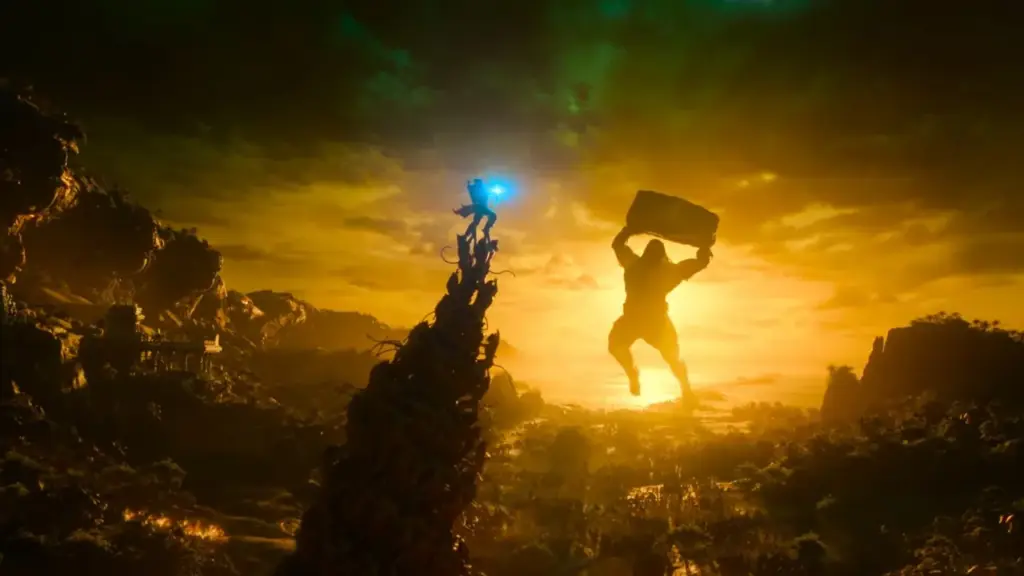
Mahesh Babu: “But its amazing he kept his commitment. What excited me was when he finally finished ‘Triple R’ and he stuck to his commitment and then he called me and he said ‘I’m finished with the story and I want to narrate it’. I went to his office and heard the narration… and it blew my mind. I mean, the kind of. I was really excited. I remember I went home, spoke with my wife and it was intimidating because the kind of film he was trying to attempt. I was a bit nervous! But the more I kept meeting him, he kind of eased me into the process and now I’m really enjoying myself.”
How Varanasi Challenged Prithviraj Sukumaran’s Villainous Mindset
During the Globetrotter event, Prithviraj Sukumaran was showered with praise from his co-stars for commitment to the role. Stepping into the shoes of a wretched villain, Kumbha, a personality far detached from his own, he reveals “it’s not about being bad or good. I think this is the most unpredictable character arc that I have played ever.” Continuing, he praises S.S. Rajamouli’s personal touch when directing, “that’s why actors excel in his films, because you’re never comfortable. You’re always challenged.”
Identified by his technologically advanced wheelchair and Doctor Octopus-esque arms, Kumbha appears as a culmination of cinema’s most sadistically iconic villains and threatens to challenge for the throne. The Mollywood, Malayalam cinema, star has exhibited a variety of acting talents, but attributes Kumbha’s particular success to working with Rajamouli.
Prithviraj Sukumaran: “I’ve realised that his number one priority always remains the actor’s closeup, you know, like the age-old [saying] that ‘there is no more powerful visual than a good close-up of an actor performing honestly’. He truly believes in it, even with the humongous set up we have around. The amount of time that he spends with his actors to make sure that the performance is on point is truly gratifying.”
50,000 Roaring Fans Attended the Trailer Premiere
The first trailer for Varanasi premiered at the Globetrotter event in Ramoji Film City, Hyderabad. Crowds upwards of 50,000 attendees walked hours to gather for just a glimpse of their superstar cast, screaming with excitement every time movie star Mahesh Babu appeared on the IMAX-ratio big screen. Crafting an atmosphere unfamiliar to western attendees, closer to annual sports events like the Superbowl than anything else, the power of India cinema feverishly swept through social media.
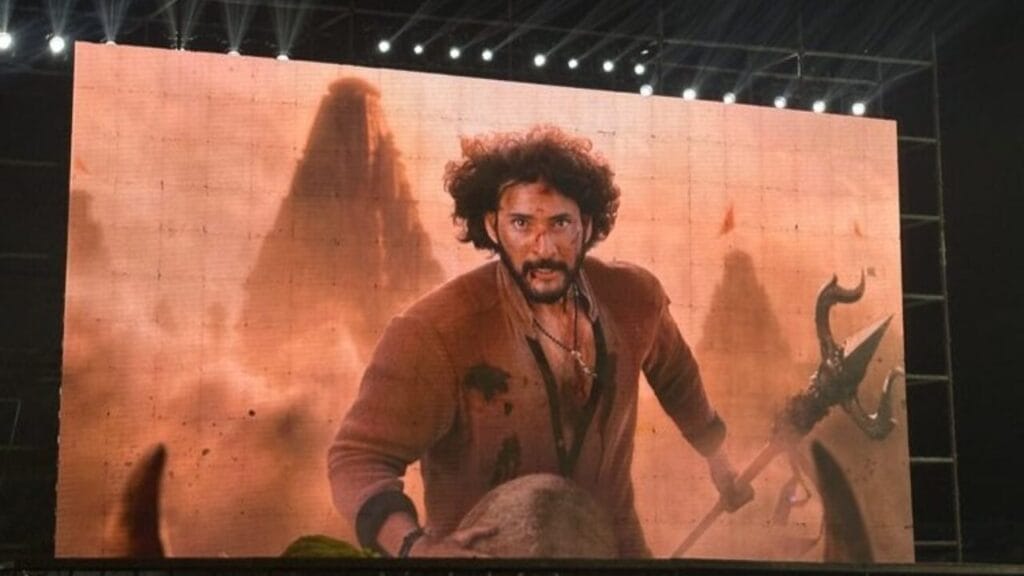
Speaking about fan reaction to the Globetrotter official trailer launch, Babu describes being “very excited” for the film’s release, teasing a thrilling adventure for audiences across the worldwide.
Mahesh Babu: “We celebrate cinema here! I keep telling this to everybody, especially Telugu cinema. We’re all blessed because people just love us here. At the same time, there’s a lot of pressure. You need to meet their expectations, so you need to deliver what you want and keep raising the bar all the time.”
Western Audiences Should Embrace the Beauty of Indian Film
It’s no secret Varanasi hopes to engage American audiences with the promise of an IMAX screened event-style film, a feature many Indian cinemas are currently absent of. Tapping into this market doesn’t demonstrate financial motivation, but patriotism and confidence in the region’s storytelling. Sure, Hollywood has embraced foreign film from South Korea and Europe, but until recently, India has been neglected and underappreciated, despite the vast array of quality films available. But what makes cinema here so unique?
Prithviraj Sukumaran: “The beauty of this wonderful land called India, the sheer diversity of it, between the three of us [gestures to Priyanka Chopra and Mahesh Babu], I think we make a grand representation of what this country is capable of telling the West. I’m from the southernmost part of the country, [Priyanka] from the north, and [Mahesh] from in-between!
I mean having the privilege of travelling across the world, I don’t think I can name another country where if you get in a car and start driving, every 3 hours the people you see are different, the food you eat is different, the language you hear is the different, the topography you see around you is different. That’s the beauty of this country and that’s the beauty of cinema that comes from this country. What I hope, and I believe, is that this film would be a grand ambassador for someone who wants to explore the aesthetics and culture of this country.”
Shooting Across the Globe Demonstrates Varanasi’s Scale
Modern cinema finds ease within greenscreens and post-production, a monkey’s paw that too often results in depthless VFX, breaking audience immersion. Given the scenic landscapes available here, it’s no wonder much of Varanasi is shot on location. Utilizing the beauty of not just India, but the world’s animal kingdom.
With a story spanning across thousands of years and various continents, Varanasi promises an innate beauty in the background, certain to highlight the flaws and elegance of humanity throughout time. From rich Hindu mythology to futuristic timelines threatened by asteroids, S.S. Rajamouli pledges to pull no punches.
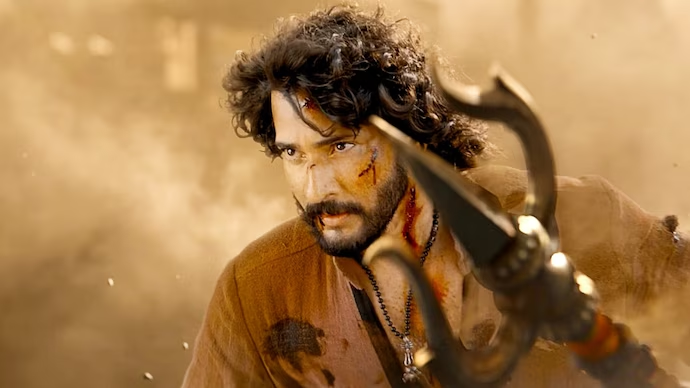
Mahesh Babu: “It’s been the most enjoyable experience… If I had to pick one experience, I would say the African schedule. I’ll never forget the first day of shooting in Africa, both us in the Maasai Mara, right in the middle of the animals. I can never forget that experience.”
Priyanka Chopra: “I don’t even think many humans have had access to the animals the way we did for this film. And the government of Kenya was so supportive in us being able to film this movie like it’s never been filmed before. It’s like a once-in-a-lifetime experience which I know we’ll never be able to do again.”
Varanasi Offers Genuine Chemistry and Admiration Within Star-Studded Cast
Varanasi teases an otherworldly scale that requires on-screen chemistry and off-screen respect to succeed. Chopra admires the “incredible legacy” her castmates share, finding the journey of filming thus far “educational” given the presence of the Telugu language, a dialect she doesn’t speak. Requiring support from her co-stars that she believes makes her a better actress and allows her to admire a modern star from close quarters.
Priyanka Chopra: “[Prithviraj] doesn’t speak Telugu, like me. But to see him just say these big big lines in Telugu was very inspiring to me and made me want to be better. And Mahesh being on set and his eagle eye focus on set is very inspiring. I don’t think I have that… But he’s [got] his eye on the ball constantly and that was really cool to see for me.
Mahesh Babu rounds off these sentiments acknowledging “we’ve become great friends, all of us, so that’s really important.”