



We all know it. It’s been a rough ninth console generation in general, let alone for the PlayStation 5. Game development has become staggeringly long. The live-service genre trend has produced far more failures than success stories. The worlds in our games have never looked more real, so much so that the idea of upgrading to a new console generation seems more like a pointless endeavor. This year, the PS5 will turn six, marking the rear end of the console’s lifespan on the market. While the PS5 generation has been quite successful for Sony overall, the console has a shocking lack of true, first-party exclusive games in its library.
Despite the PS5’s overall sense of diminishing returns, Insomniac Games stands out as one of the reliable development companies under the Sony umbrella. Insomniac has routinely produced blockbuster single-player campaigns every few years during the increasingly long wait for the next Naughty Dog or Santa Monica Studio release. In an effort to expand upon the massive critical and commercial success of the Marvel’s Spider-Man franchise, Insomniac’s latest outing is another take on a classic Marvel hero. Closing off the summer season (right before Grand Theft Auto VI fever takes over) is Marvel’s Wolverine, one of the biggest games of the year.
Marvel’s Wolverine is a PS5 exclusive that promises a fresh take on the iconic, titular X-Man, but does it live up to the hype? Well, that might depend on the type of game you’re looking for.
A Marvel Universe Without the X-Men
Marvel’s Wolverine and its timing are a curiosity, as it arrives shortly after the Marvel Cinematic Universe laid its first big chess piece for its highly anticipated X-Men movie: Sadie Sink’s introduction as Jean Grey in Spider-Man: Brand New Day. Between that, the success of X-Men ‘97 on Disney+, and the upcoming send-off to the Fox Marvel universe in Avengers: Doomsday, it’s clear Marvel’s mutant team is attempting a grand cultural comeback. Naturally, this puts a lot of pressure on Marvel’s Wolverine, which features some of the biggest X-Men characters in its M-Rated 18-to-22-hour narrative. However, the game takes place in an alternate universe where the X-Men do not yet exist.
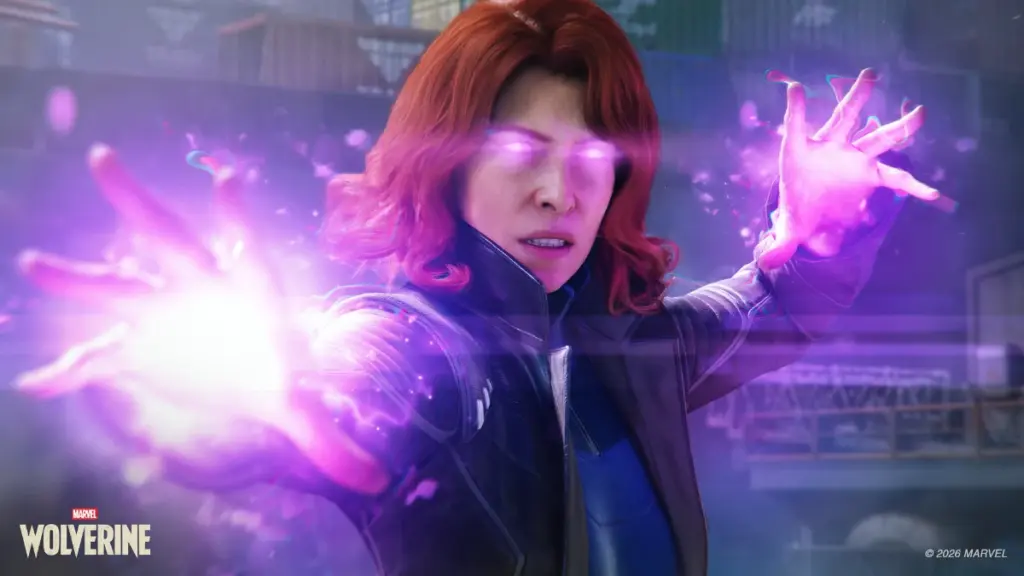
Instead, Marvel’s Wolverine opens on the titular character, James “Logan” Howlett (Performed by Liam McIntyre), working as a member of “Team X” alongside his friend Mystique (Nicole Pacent) and rival Sabretooth (Brett Gipson). Led by Nathaniel Essex (Troy Baker), Team X was founded 30 years ago to protect mutantkind from the genocidal Bolivar Trask. The threat of mutant extinction eventually sends the Wolverine on a globe-trotting adventure, aided by a telepathic freedom fighter named Jean Grey (Krizia Bajos). Along the way, Logan attempts to recall his lost, fragmented memories, piece together his violent past, and forge his own path as an unlikely hero in mutantkind’s darkest hour.
Liam McIntyre‘s New Take on Wolverine Was Worth the Wait
It should be reiterated here for avid comic book fans that, even though it features significant heroes and villains from the X-Men canon, Marvel’s Wolverine is indeed, first and foremost, an original take on a Wolverine story before it is an X-Men origin. By nature, that distinction might prove divisive for players. Insomniac successfully retrofits elements of Marvel lore into a sprawling yet self-contained narrative. However, certain choices are bound to frustrate X-Men purists looking for a more traditional take on the material. If you can move past the lore changes and some narrative bloat, there’s a lot to like about Marvel’s Wolverine.
In contrast to the countless reboots and iterations that other famous superheroes have faced, Hugh Jackman’s portrayal of Wolverine has remained the character’s main cultural reference point for decades outside of cartoons and comics (and he’s still not done). This is not to discredit Jackman’s enduring legacy, but it was immediately refreshing from minute one to see another actor get a shot at physically embodying Wolverine, albeit through the process of motion capture technology. Liam McIntyre (Spartacus) slips into Logan effortlessly, instinctively understanding both his inner emotional plight and the rage he externalizes to defend himself and others. It’s really satisfying to watch Logan grow from a loner recluse to a selfless hero.
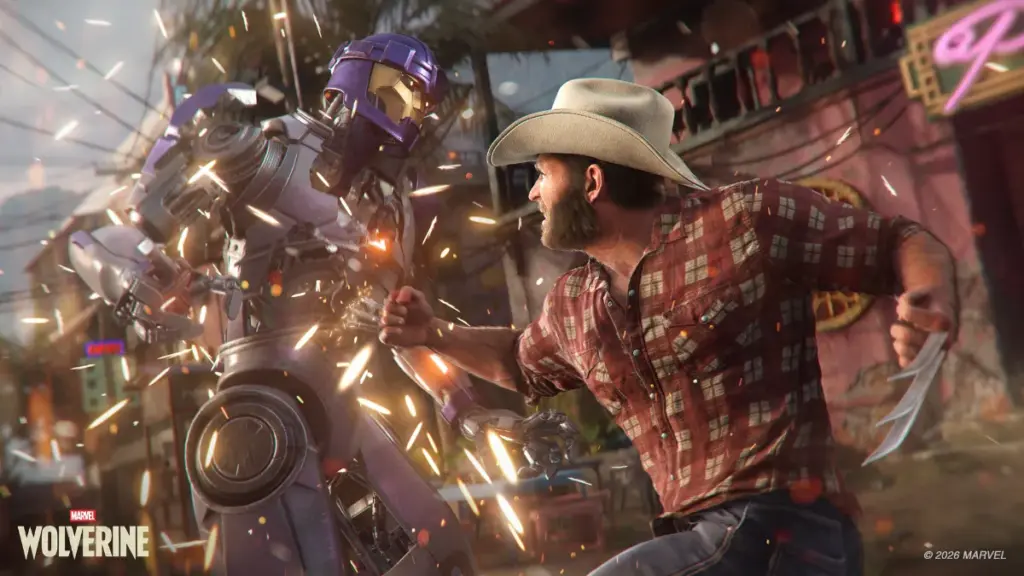
The supporting cast is strong, too. Previously an underserved character in the Fox X-Men films, Insomniac’s take on Jean Grey is also one of the game’s high points. Krizia Bajos’ performance is kind and deeply empathetic, yet driven by a passionate sense of justice. Jean’s moral center continually challenges Logan throughout the plot, and her role as an ally in the gameplay helps strengthen the player’s relationship with her. The “shitty co-worker” dynamic between Sabretooth and Wolverine is delightful as well, eventually taking an emotionally charged turn that is quite effective. On the other hand, Troy Baker’s casting as Nathaniel Essex, while well performed, proves distracting compared to the rest of the ensemble.
The Combat Mechanics are Familiar, But Still Bloody and Satisfying
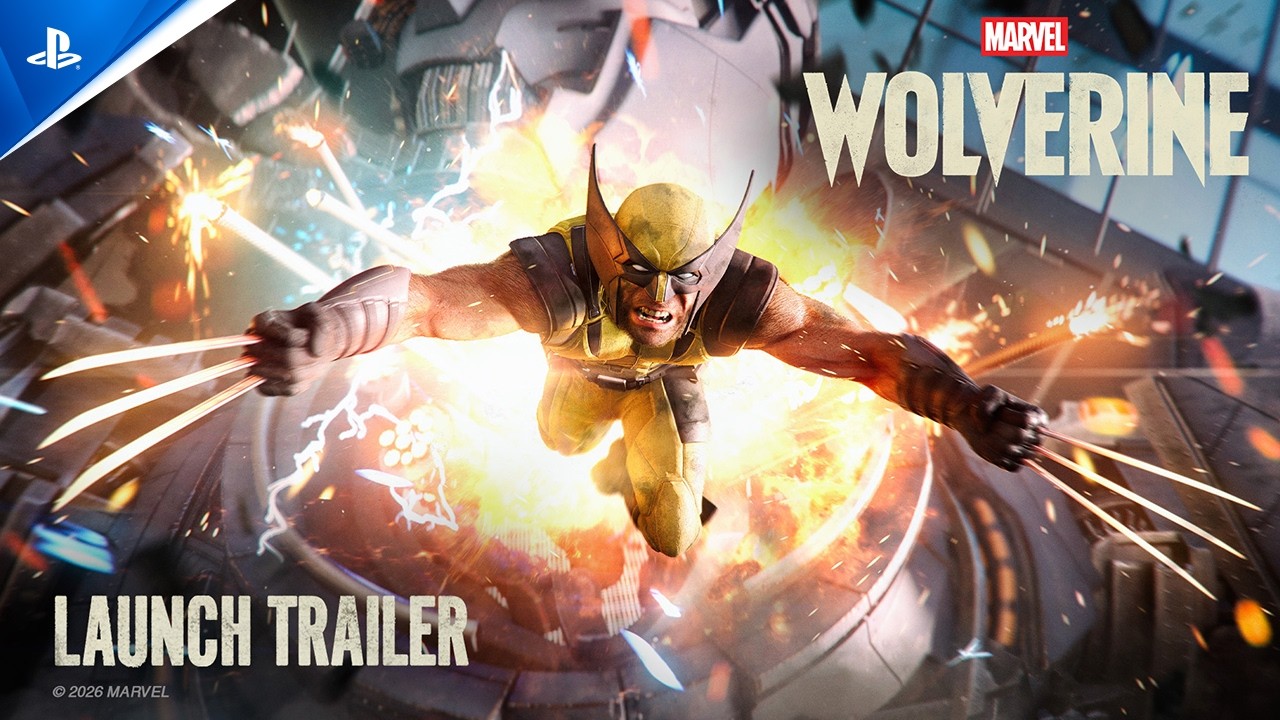
Finally, Marvel’s Wolverine restores one of Logan’s most defining traits: his height. Now standing at 5’3″, Insomniac’s Wolverine is a short ball of fury. This choice wasn’t purely made for comic accuracy; it also serves important narrative and gameplay functions. Logan is superhumanly agile, but there’s a heaviness to his Adamantium claws that distinguishes this attack system from the free-flowing combat found in Marvel’s Spider-Man games. Even on normal difficulty, it’s easy to get overwhelmed by hordes of enemies. A strong emphasis on parrying/dodging attacks makes every hit the player takes feel significant, since Wolverine’s health will mostly regenerate in between encounters or during his “Last Stand” ability, activated by the game’s “Rage” system.
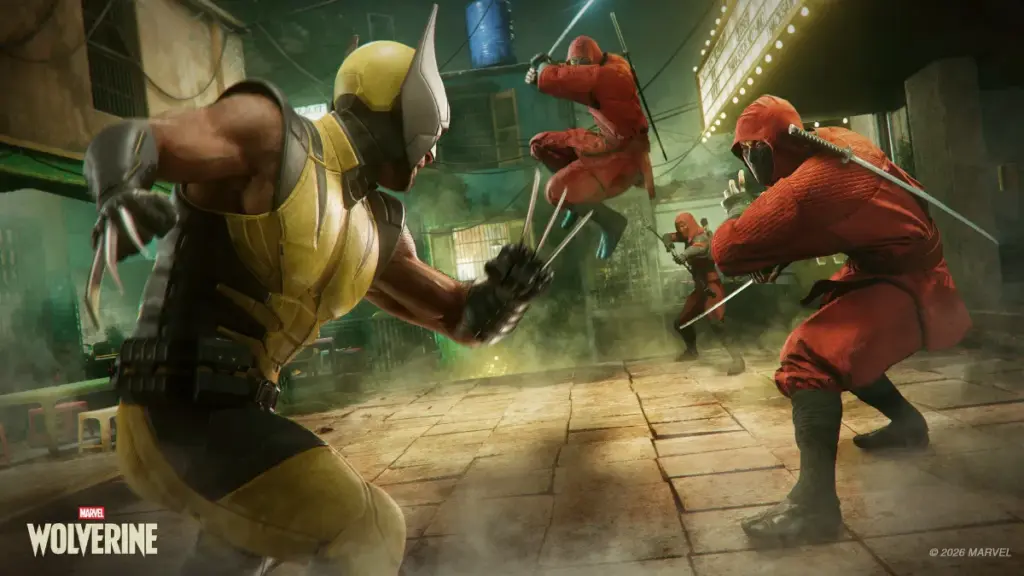
The rage system is the main thing that sets Marvel’s Wolverine apart from the familiarity of other action/adventure titles. Depending on how well the player performs during an encounter, rage is generated in three stages. Once stage three rage is achieved, the player can temporarily instant-kill enemies with satisfying finishers. Insomniac continually succeeds at adapting comic book material into gameplay, rewarding players by making them feel powerful just through a simple grasp of the game’s mechanics. There has been some concern that Marvel’s Wolverine would play too similarly to the Spider-Man series, but this title’s strictly linear narrative and the nuances of the combat system do enough to set Wolverine on a different course.
A Robust Accessibility System With Some Triple-A Game Growing Pains
Insomniac makes games for everyone; that’s clear from the robust accessibility settings that let you individually customize the gaming experience, including optional gore and language censors for younger players. Marvel serves such a broad audience, so their efforts towards accessibility and inclusivity are worthy of high praise. Be that as it may, many players today have become more aware of common Triple-A game trappings over the past few years. In Marvel’s Wolverine’s weakest moments, it is playing into those tropes with zero irony, unfortunately. It doesn’t ruin the game, but these were occasionally big disruptors to an overall great, polished playing experience.
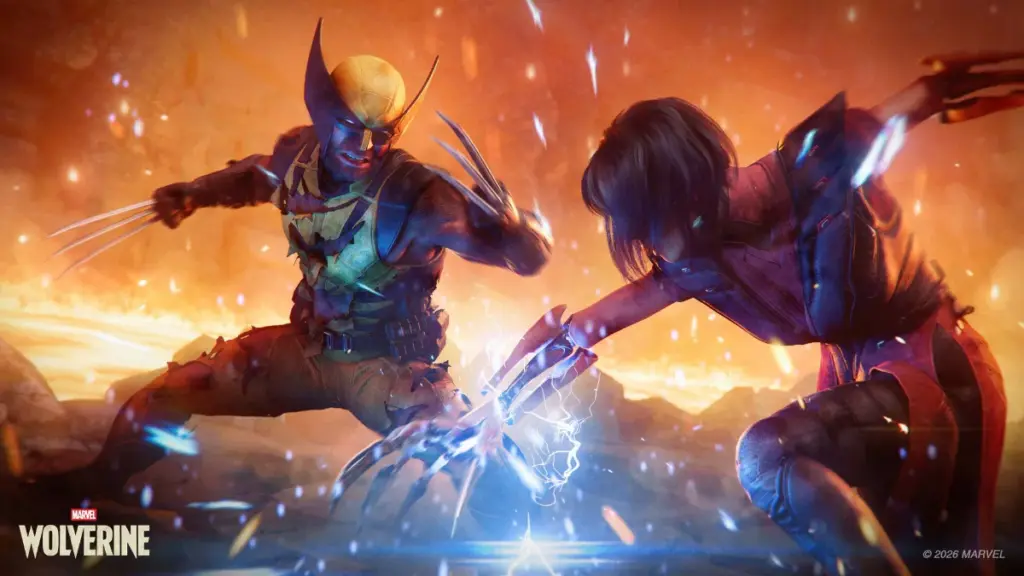
On default settings, tutorial pop-ups kept appearing even as I reached the final moments of the campaign. Companion characters would suggest solutions to simple puzzles before I had even gotten the chance to think for myself. “Nightmare Doors,” which present optional challenge rooms to complete in return for lore and backstory, spawn just enough to distract from the main narrative’s pacing and urgency. The Spider-Man games weren’t without these flaws either, but this kind of foolproof design feels outdated in 2026. It would be nice to see Insomniac trust the player a bit more in future games.
A Superb Technical Showcase at Odds with Uninspired Art Direction
Insomniac titles have a track record of being technical showcases for their respective PlayStation systems — Marvel’s Wolverine is no different. The graphics are gorgeous, the production value is high, and the environments showcase strong visual diversity. I didn’t encounter any bugs throughout my playthrough, as the storytelling’s cinematic presentation is notably sleek. Still, even with all the bells and whistles, the art direction of this hack-and-slash game leaves a lot to be desired. This is the fourth Insomniac Marvel title, and the awkward line between realism and a faithful comic-book aesthetic these games employ is starting to show its age and artistic limitations.
Though the casting is great, the likenesses of the in-game character models sometimes don’t fully translate, which can be distracting during dramatic beats. Unlockable outfits are a staple feature in these games, but only a handful of the 27 suits on offer are translated particularly well to this art style. Even the MCU is starting to outgrow the over-designed tactical costumes that have defined the franchise for years; it leaves this game’s aesthetic stuck in the past. As Insomniac continues to branch into the more fantastical parts of the Marvel universe, you would hope to see the overall art direction become a bit more inspired.
It May Be Time For Insomniac to Innovate Further
Marvel’s Wolverine is a solid game, and Insomniac has built itself a great, consistent track record in the comic book game niche where so many other titles like Marvel’s The Avengers or Suicide Squad: Kill the Justice League have failed. It’s just that the occasional lack of innovation and creative oversights make Marvel’s Wolverine feel safe and focus-tested rather than being a fully realized vision of its own. The controversial story choices might create some strong detractors. In the end, though, the game succeeds at what it sets out to do. Thankfully, there are enough thrilling gameplay set pieces and genuine emotional investment in the nuances of its titular character that make Marvel’s Wolverine worthy of your time.
Tons of online negativity towards Marvel’s Wolverine leading up to release has made criticizing this game a minefield. Some of it has been warranted, and the rest has been the usual toxic gamer nonsense. Nonetheless, I hope Insomniac understands both the strengths and weaknesses of their Marvel titles thus far and applies that knowledge to make their next project even more ambitious.
★ ★ ★ ½
Marvel’s Wolverine releases September 15 only on PlayStation 5!
Release Date: September 15, 2026.
Developed by Insomniac Games.
Published by Sony Interactive Entertainment.
Video Game Directors: Marcus Smith & Mike Daly.
Writing Team: Mary Kenney, Walt Williams, Paul Mastroianni, Joe Halstead, Brittney Morris, Taylor Cyr, & Nick Folkman.
Composer: David Fleming.
Platform: PlayStation 5.