
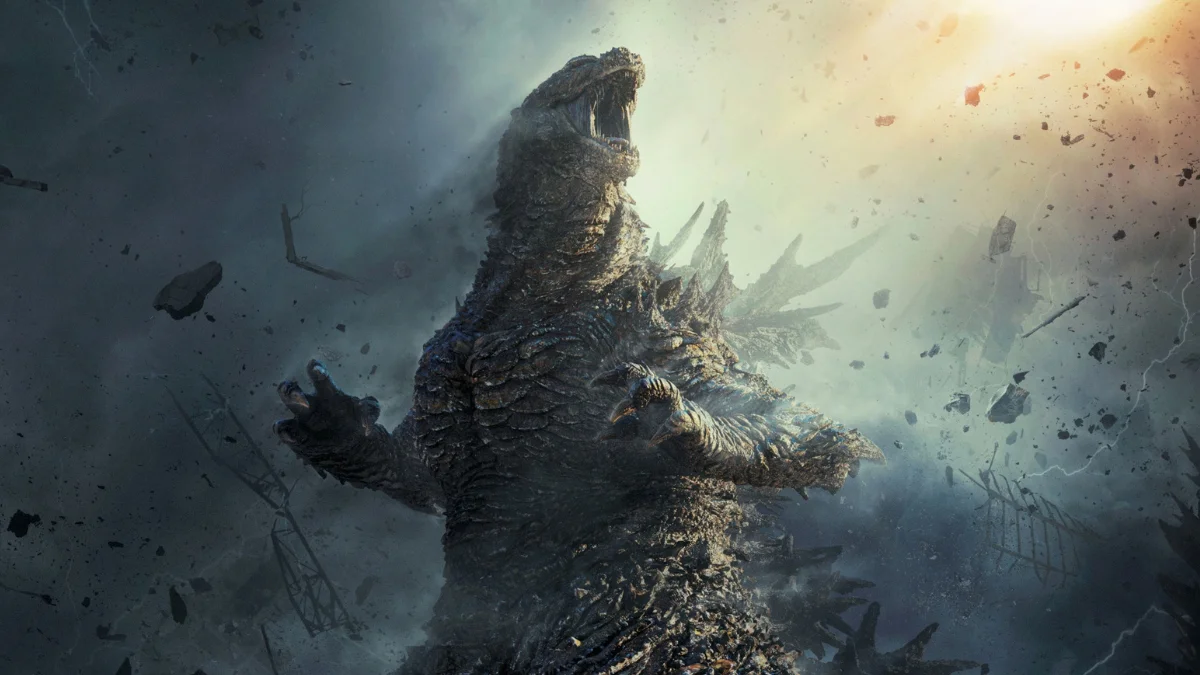

Takashi Yamazaki’s Godzilla Minus One (2023) truly felt like lightning in a bottle. The story of a grieving ex-kamikaze pilot in postwar Japan, with Godzilla as the ultimate representation of his nation’s sorrows and regrets, proved deeply emotional and surprisingly optimistic. Everything from the period setting, personal stakes, and genuinely horrifying scale of destruction came together perfectly. Of course, the Oscar-winning VFX deserve their own mention, putting many larger Hollywood blockbusters to shame. So how could Yamazaki possibly follow any of that up in a sequel? Well, Godzilla Minus Zero (2026) suggests it’s not about going “bigger” per se, but definitely bolder and riskier. The end result is something that would simply never get made in the West.
It’s impressive that, for how different Godzilla Minus Zero can feel from Minus One at times, it still stays true to its predecessor’s themes of a nation struggling with its identity post-WWII. To address the elephant (or Kaiju) in the room: King Ghidorah is here, and the iconic golden dragon is the scariest he’s ever been. The fact that Toho has kept Ghidorah hidden from all the marketing, aside from hints of yellow lightning on the posters and hearing his signature roar in trailers, is extremely commendable. It’s praiseworthy not just because modern Hollywood marketing often gives away most surprises, but also because Ghidorah is arguably this sequel’s centerpiece, getting more time to shine than Godzilla himself.
Enter the Dragon of all Dragons
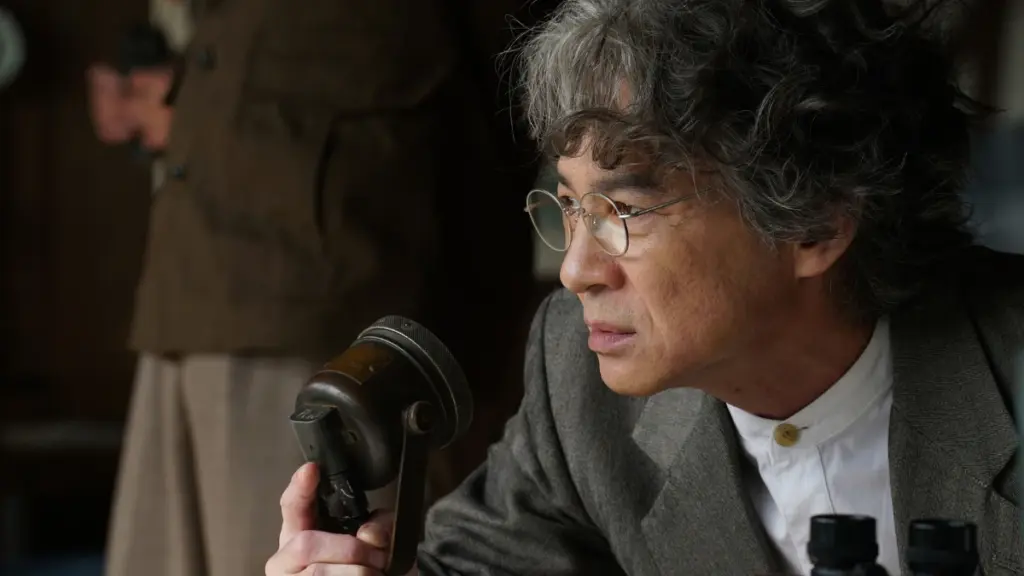
In 1949, two years after defeating Godzilla, Dr. Kenji Noda (Hidetaka Yoshioka) serves as the director of Japan’s new Special Disaster Response Bureau. As the country continues to rebuild, an unforeseen extraterrestrial threat emerges, putting all its progress at risk. This new creature puzzles Noda and his fellow scientists, as it’s seemingly on a path to cause more damage than Godzilla did and shows no weaknesses. Nonetheless, Noda’s crew, now including female meteorologist Makoto Aoyama (Masami Nagasawa) and senior Professor Kanji Murakami (Min Tanaka), tries to find a solution. Enter pilot Kōichi Shikishima (Ryunosuke Kamiki) and his wife, Noriko (Minami Hamabe), who have miraculously found some peace raising their young daughter, Akiko (Sae Nagatani), since Godzilla’s attacks.
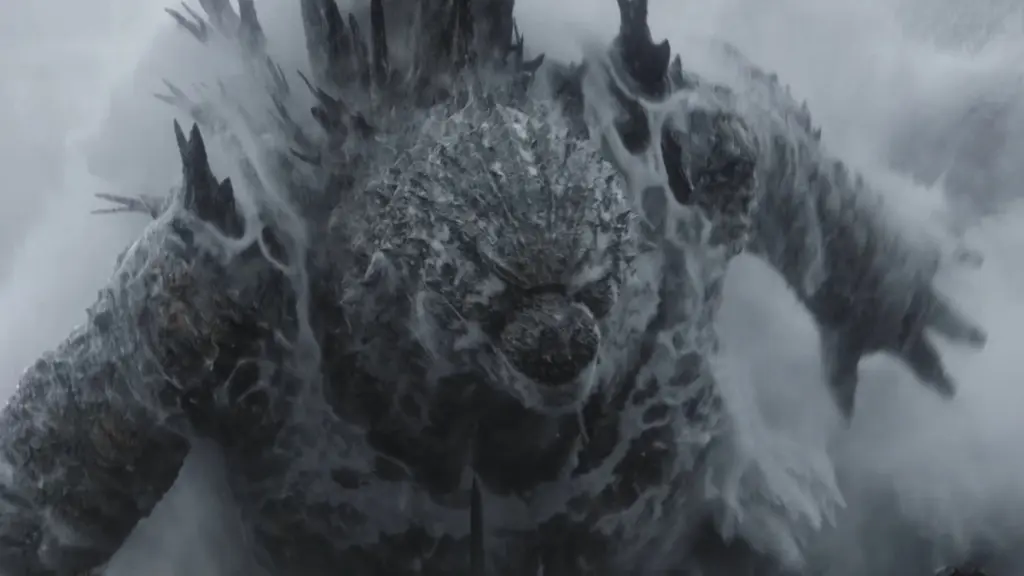
The Shikishima family is still at the heart of writer-director Takashi Yamazaki’s script. Their dynamic was incredibly gripping in Minus One, where tragedy brought them together by happenstance amid literal piles of rubble. Their love for one another as found family is unique and stronger than ever. Yet their nation’s call to action once again unfairly tests how much they are willing to sacrifice. However, this war isn’t just between Godzilla, who reemerges in a more muscular form with upgraded scales, and Ghidorah; it’s also between Japan and the United States. Behind the curtain of this Kaiju conflict lies an interesting political power struggle. After the dust settles, who gets to control what these giant monsters leave behind?
Subverting the Tropes of Godzilla Sequels
Many fans, myself included, struggled to believe Takashi Yamazaki would follow up Godzilla Minus One with a sequel introducing another monster. That it’s King Ghidorah, perhaps the most iconic foe in Godzilla’s 72-year history, is insane! Still, Minus Zero is unlike any previous Godzilla sequel. Yamazaki brilliantly subverts many of the franchise’s well-known tropes, like turning Godzilla into a “lethal protector” of nature that the audience is supposed to root for from the start. This isn’t a classic “versus” sequel either, as the primary conflict goes beyond the film’s two monsters. First and foremost, Minus Zero is a story about rage, sacrifice, and the endless cycles of bloodshed that war and greed perpetuate.
Yamazaki’s approach to this sequel feels much angrier than before, and that’s saying something, considering the levels of grief in Minus One. With no other way to stop Ghidorah, Dr. Noda’s is left with no choice but to set up a battlefield for Godzilla. Hopefully, the victor will be left fatally wounded, or even better, they will take each other out for good. The decision to forcibly pit the two against each other will definitely come at the cost of more Japanese lives, though. It’s like playing God with two literal Gods of unlimited power, which puts our human protagonists in great distress. After all they have endured, it’s especially cruel that such a verdict falls on them again.
Civilians as Tools of War
Godzilla Minus Zero presents its returning cast with an immense challenge. In continuing their arcs from Minus One, Yamazaki pushes his characters to their emotional limits. Through sheer mental exhaustion and desperation, any of these performances could have veered too far into melodramatic territory. While Yamazaki’s screenplay obviously leans into melodrama to elicit a stronger reaction from viewers at times, the cast fully embraces the story’s anger and frustration. Ryunosuke Kamiki reveals more of Kōichi’s tender side as a loving father to Akiko, making the former kamikaze pilot’s possible regrets as a “tool of war” even more unbearable when he’s asked to take to the skies again for his country in the battle against another seemingly unbeatable monster.
Courtesy of GKIDS
Minami Hamabe steps further into the action this time as Noriko Shikishima, highlighting the resilience and courage needed in times of terrifying uncertainty. Hidetaka Yoshioka shares that spotlight as the film’s master planner, Dr. Noda. In fact, he’s the one character who is holding everyone together. In addition to his personal connection to the Shikishima family carried over from Minus One, he’s now burdened with leading Japan’s only intelligence task force against Kaiju. In doing so, he also serves as an unlikely mentor to Makoto Aoyama’s skilled weather forecaster, Masami, and a voice of reason to Min Tanaka’s grieving biologist, Professor Kanji. For these reasons, Yoshioka’s selfless performance is clearly the standout of Godzilla Minus Zero.
Takashi Yamazaki Boldly Swings for the Fences
Going back to Professor Kanji, his plotline in Godzilla Minus Zero is one of many that will leave people genuinely shocked. A man who survived both the atomic bombing of Hiroshima and Godzilla’s attack on Ginza from the previous installment, there are no words to describe his psychological turmoil. Takashi Yamazaki pulls no punches in depicting Japanese trauma, leading to some of the most emotionally charged visuals of any movie released this year. Minus Zero is the first R-rated Godzilla film in history, and it earns that title with nuance. The way Yamazaki depicts destruction and violence is utterly harrowing and often quite graphic, significantly more than what Western audiences usually see, but it isn’t purely for shock value.
Every major narrative decision in Minus Zero, whether it’s showcasing brutal violence or diving into an unexpected plot development, serves the characters. Their emotional responses and choices organically extend from these elements, which only makes them feel more human. Some viewers might be surprised by how far Yamazaki goes into science fiction here. Certain story threads take wild swings that other Godzilla movies would treat with a highly fantastical or sillier tone. This kind of sci-fi isn’t new for the franchise, though it does seem like the last thing you would expect after Minus One.
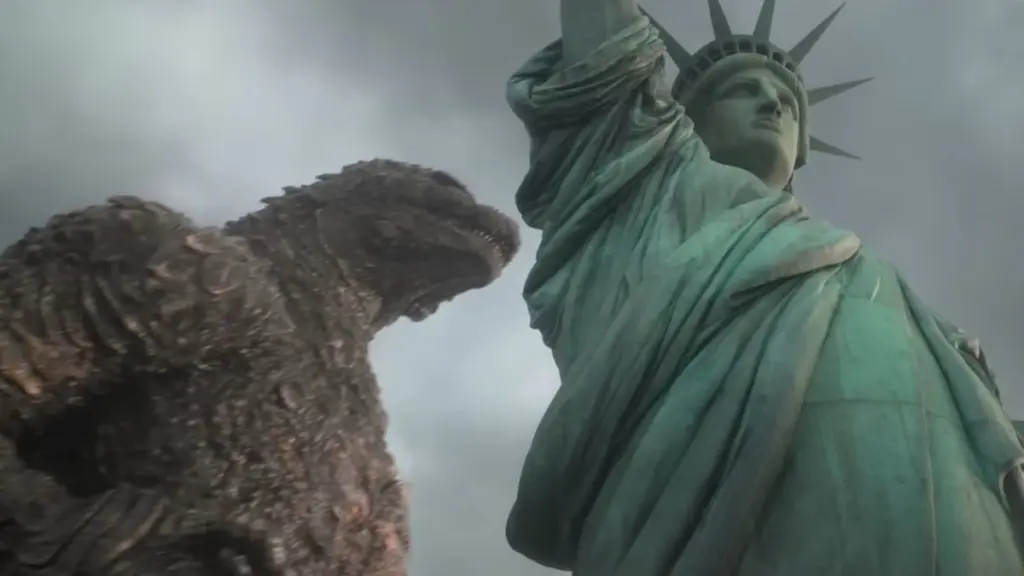
On one hand, you have to respect Yamazaki for his sheer audacity. Even if some of these developments take you out of the story in the moment, they all circle back with satisfying payoffs that get crazier, believe it or not.
Godzilla Fans Will Witness Spectacle They Have Never Seen Before
Lastly, Takashi Yamazaki and his team have outdone themselves with the visual effects of Godzilla Minus Zero. The first film already sent a message to Hollywood about what VFX can achieve on a smaller budget, and this sequel blows expectations out of the water. Minus Zero wisely keeps the action intimate and palpable, but with an increased budget and broader narrative scope. Yamazaki brings you up close and personal with Kaiju that are framed as literal Gods of destruction. The VFX, overall creature design, and set pieces for Ghidorah, in particular, will frequently leave your jaw on the floor. Plus, without spoiling, Godzilla and Ghidorah’s screen time together delivers eye-popping spectacle never seen in any Godzilla movie before, period.
The way its audacious storytelling, pristine visuals, and raw emotions come together makes Godzilla Minus Zero feel like a sophisticated blockbuster Hollywood could never produce, at least not at this point in time. Additionally, it’s hard to believe any Western executive would approve certain staggering images in Minus Zero, solidifying this vision and aggressive attitude as Yamazaki’s unfiltered expression. The fact that audiences get to experience this on the biggest screens around, as the first Japanese production to use IMAX-certified cameras, makes this stunning achievement even more special. By the end, it sincerely feels like Yamazaki has put all of himself into this sequel, making it unlikely that a blockbuster like Minus Zero will come around again any time soon.
★ ★ ★ ★ ½
‘Godzilla Minus Zero’ hits theaters on November 6!
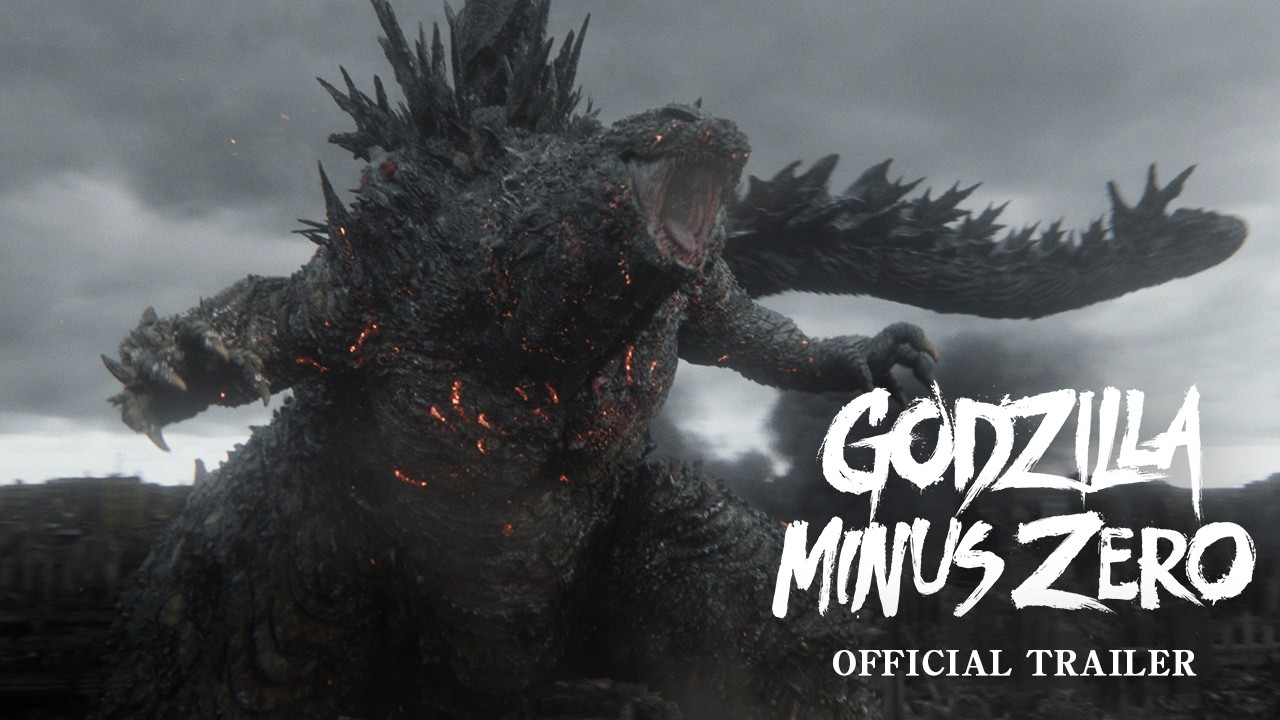
Release Date: November 3 (Japan) & November 6, 2026 (North America).
Directed by Takashi Yamazaki.
Written by Takashi Yamazaki.
Produced by Minami Ichikawa & Taichi Ueda.
Executive Producer: Hisashi Usui.
Main Cast: Ryunosuke Kamiki, Minami Hamabe, Hidetaka Yoshioka, Yuki Yamada, Kuranosuke Sasaki, Jun Kunimura, Miou Tanaka, Sakura Ando, Masami Nagasawa, Min Tanaka, & Sae Nagatani.
Cinematographer: Kōzō Shibasaki.
Composer: Naoki Satō.
Editor: Ryūji Miyajima.
Production Company: Toho Studios.
Distributor: Toho (Japan) & GKIDS (North America).
Runtime: 135 minutes.
Rated R.